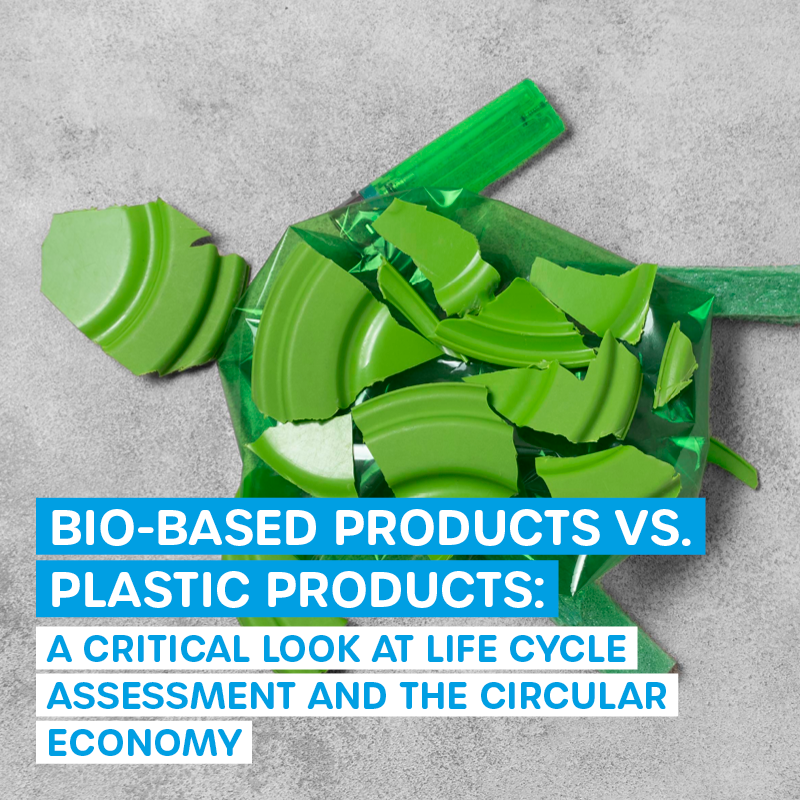
Bio-based products as a sustainable alternative? A critical analysis shows: Even "green" plastics can release microplastics and form unknown pollutants. Why complete Life-Cycle-Assessments are crucial.
What a year! 63 blog posts, 5 publications, 3 awards, and over 200 volunteers participating in our river sampling. In addition, we removed more than 1 ton of microplastics in our feasibility studies. Learn about what we achieved in 2025 and what major projects are planned for 2026. Read now!
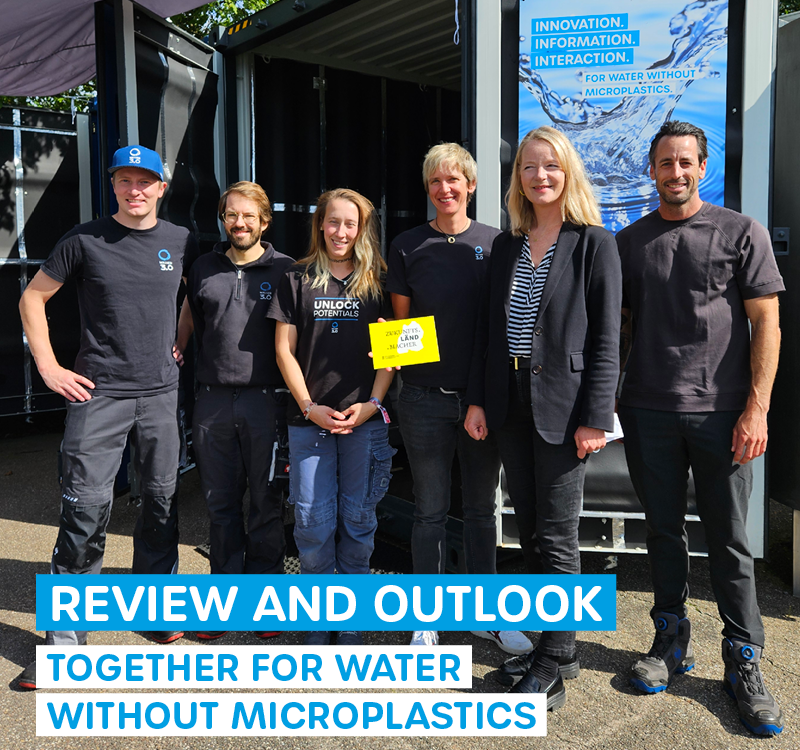
Wasser 3.0 opened its doors in Landau on June 26 and 27, 2025. 60 visitors from seven countries experienced our microplastic sampling and detection methods, Wasser 3.0 PE-X® technology for microplastic removal and innovative water treatment processes at nine stations. A gamechanger format for the future of water.
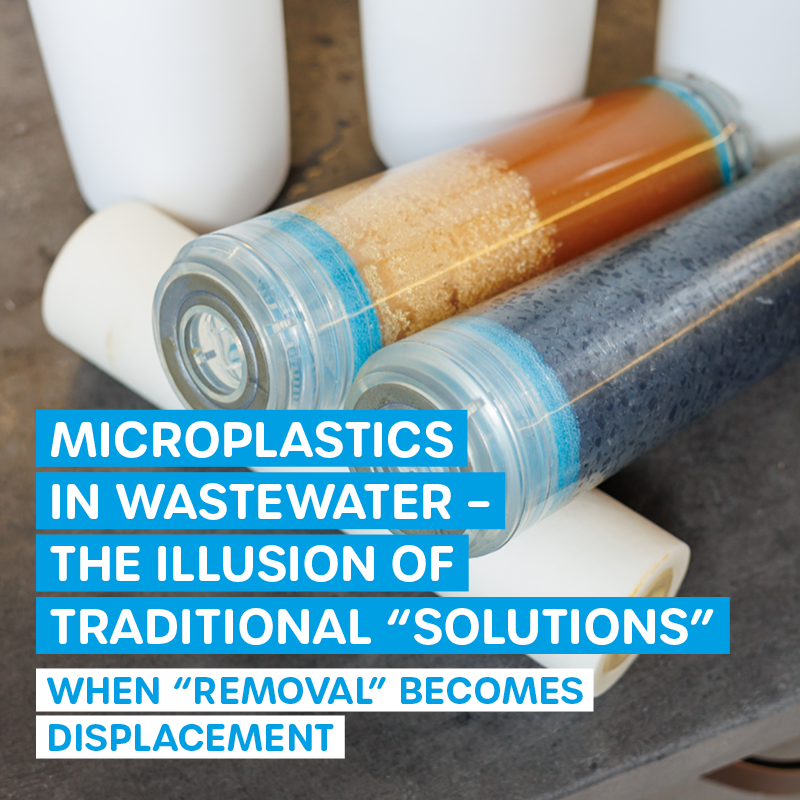
According to current research, filtration and cyclones do not solve the microplastics problem – they merely shift it. Wastewater treatment plants concentrate the particles per kilogram in sludge, which often ends up as fertilizer on fields. New technologies like our Clump & Skim show genuine solution approaches.
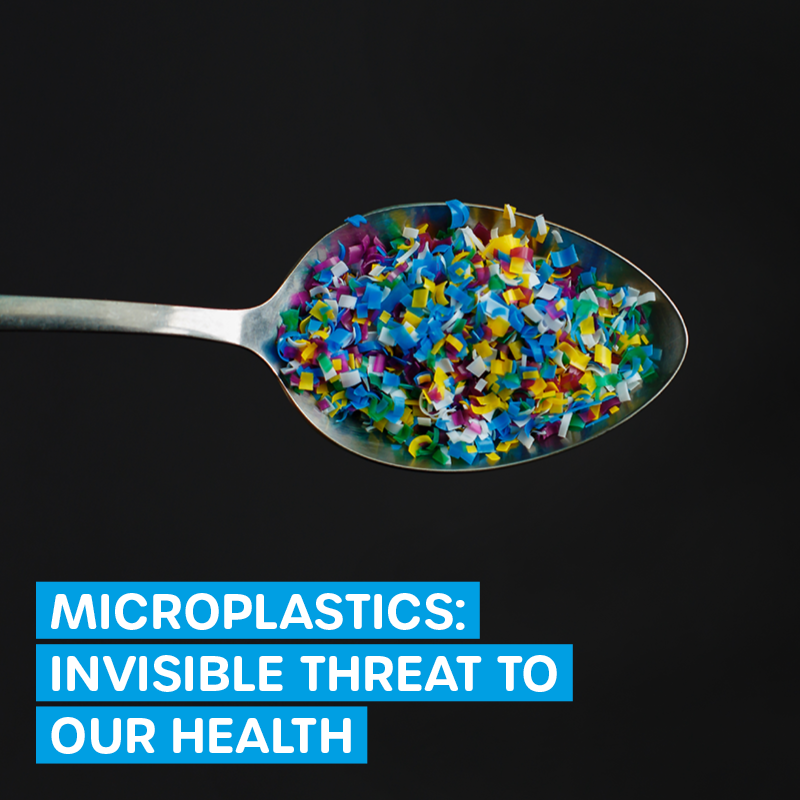
Microplastics (particles <5mm) enter our bodies every day via air, food and through our skin. It is estimated that each person consumes between 74,000 to 121,000 particles per year. Increasing evidence through studies on the blood, heart and brain show possible health risks. Read more about this in our blog.
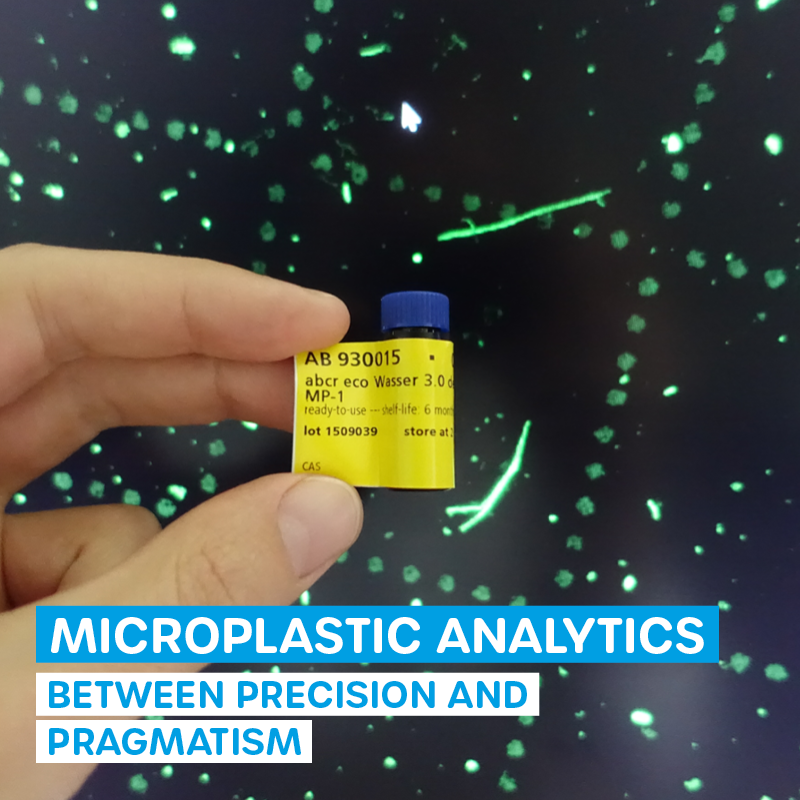
Microplastic analytics requires innovation - existing methods are reaching their limits. Wasser 3.0 detect MP-1 enables rapid, selective, and cost-effective microplastic screening. Citizen science can contribute to expanding data. Effective standardization requires abandoning outdated methods. Read more in our blog.
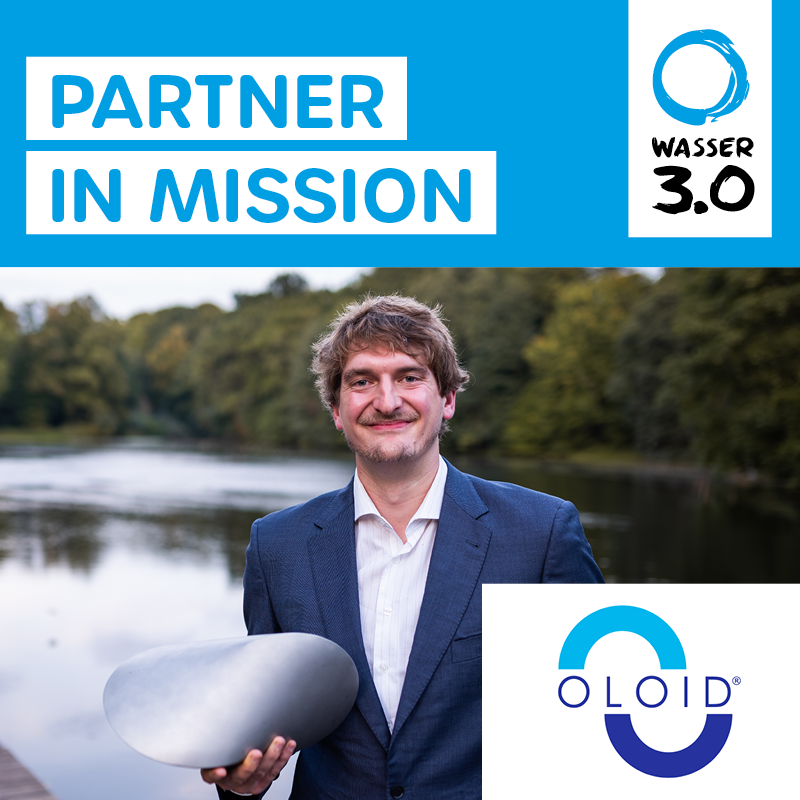
Revolutionary water treatment meets biomimicry: OLOID Engineering GmbH is presenting its innovative technology for the first time at the OPEN HOUSE 2025. Experience the future of sustainable water technology live in action on June 26 and 27 in Landau!
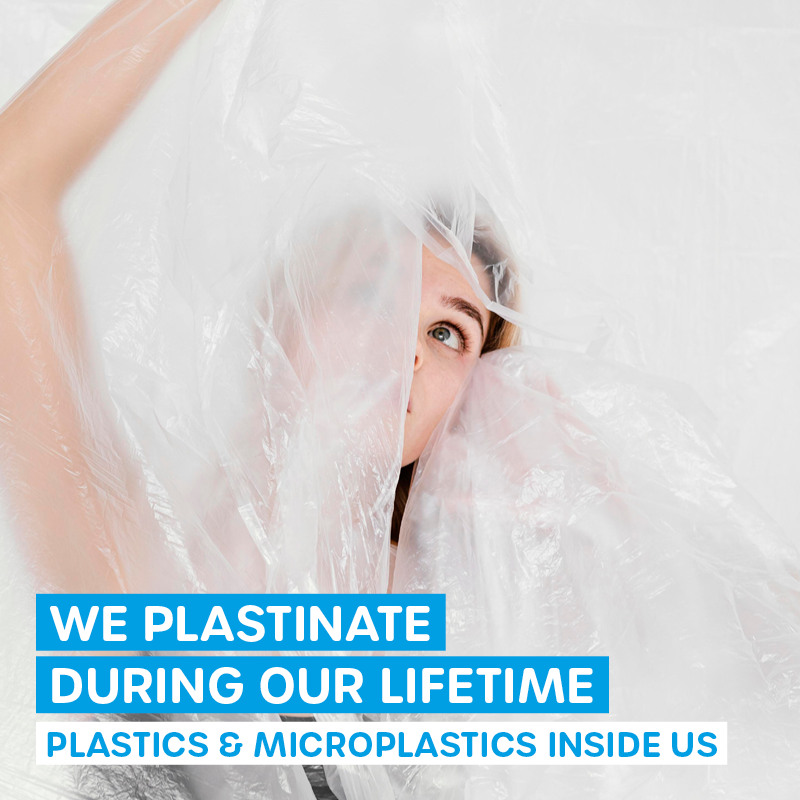
Microplastics permeate our bodies through food, air and water - an involuntary " Plastification in our lifetime". Inflammation, hormonal imbalances and cell damage are possible consequences. Even unborn babies are affected. Solution: Reduce plastic, use alternatives, get politicians to act.