Four years, 13 sites, one principle: measure first, decide second. In REMEDIES 5.0 we deliver the microplastic data for Sylt, map the Danube together with schools and lead a work package. Here is what begins now.
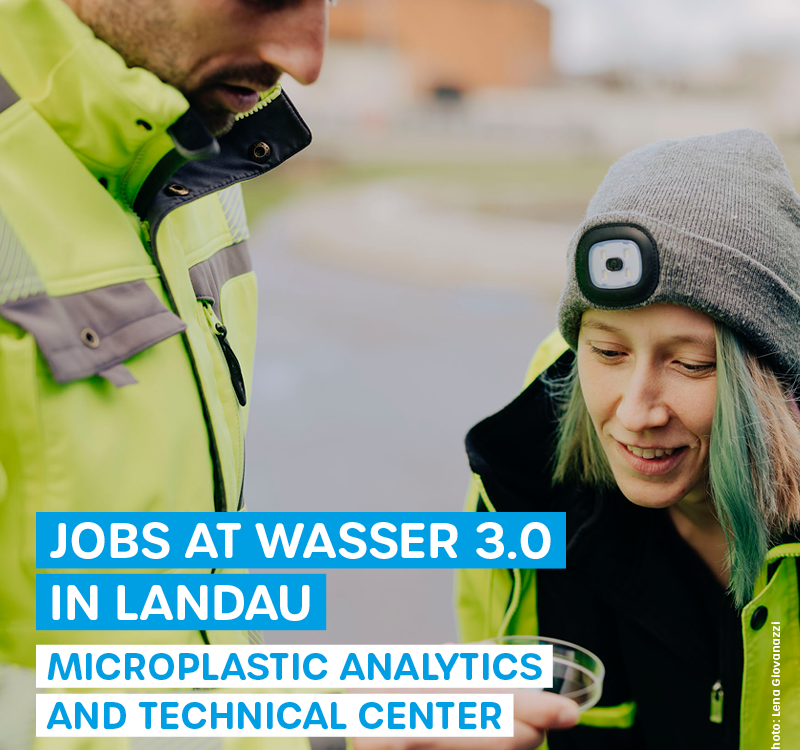
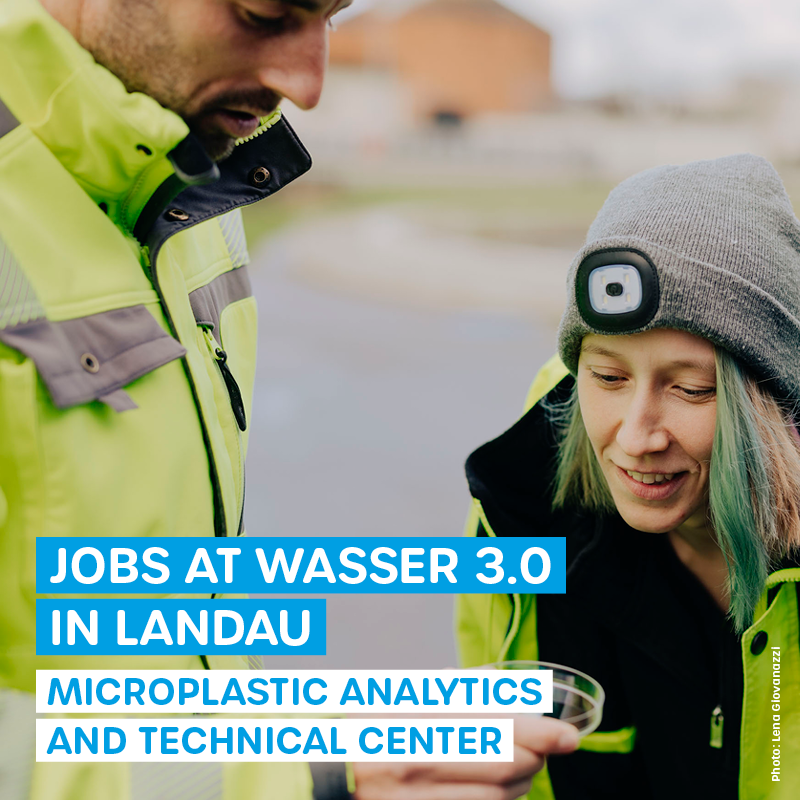
We are growing – and looking for two colleagues for microplastic analytics and our test center in Landau, Germany. Lab, plants, research – in a non-profit team that makes water without microplastics real. Flexible time model. Apply now!
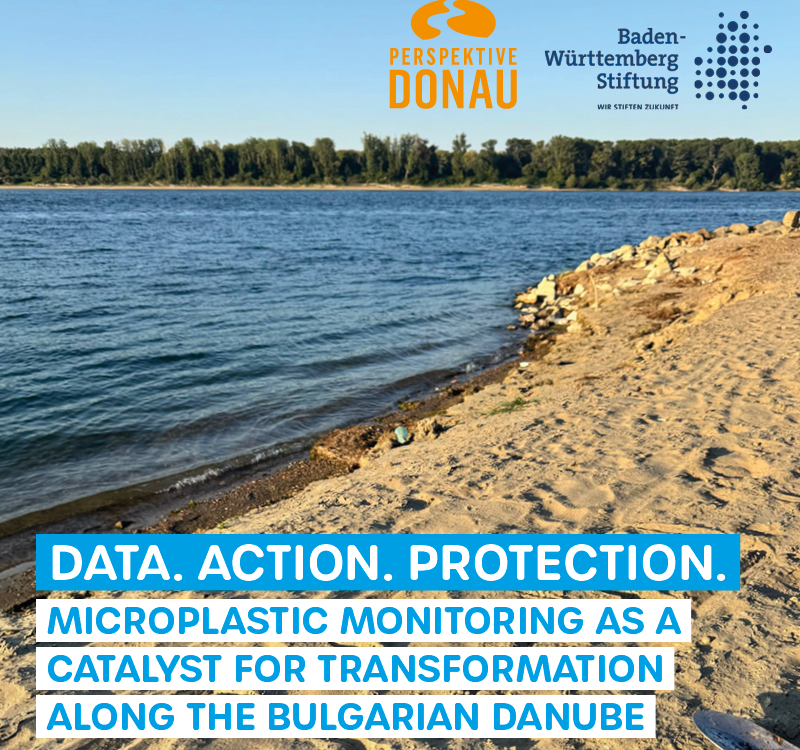
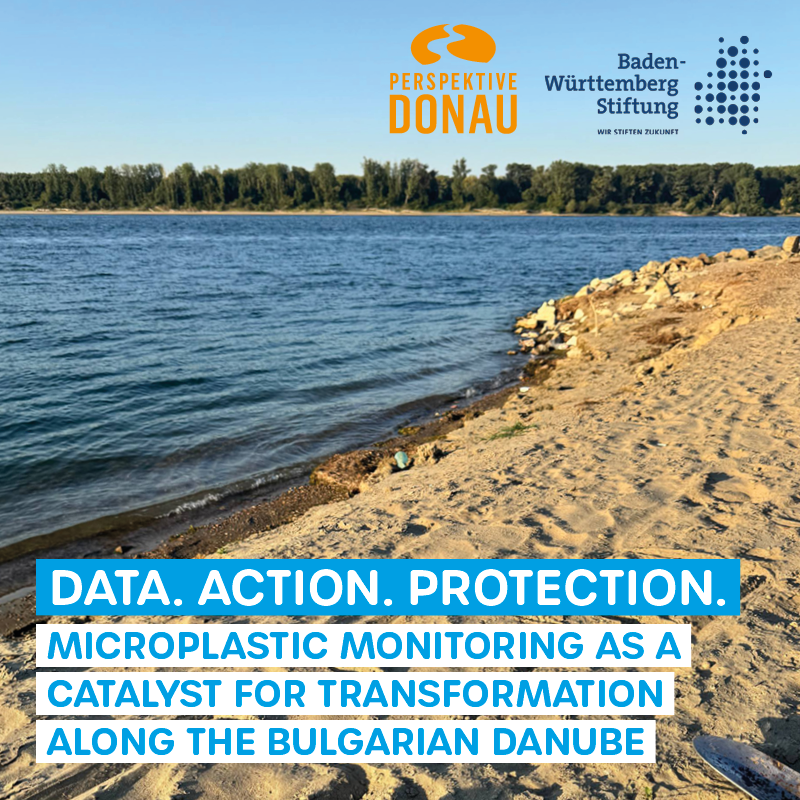
Along 450 river kilometres between Vidin and Silistra, the first standardised microplastic mapping of the Bulgarian Danube is taking shape. Wasser 3.0 and LessPlastic Bulgaria are measuring together with schools and volunteers.
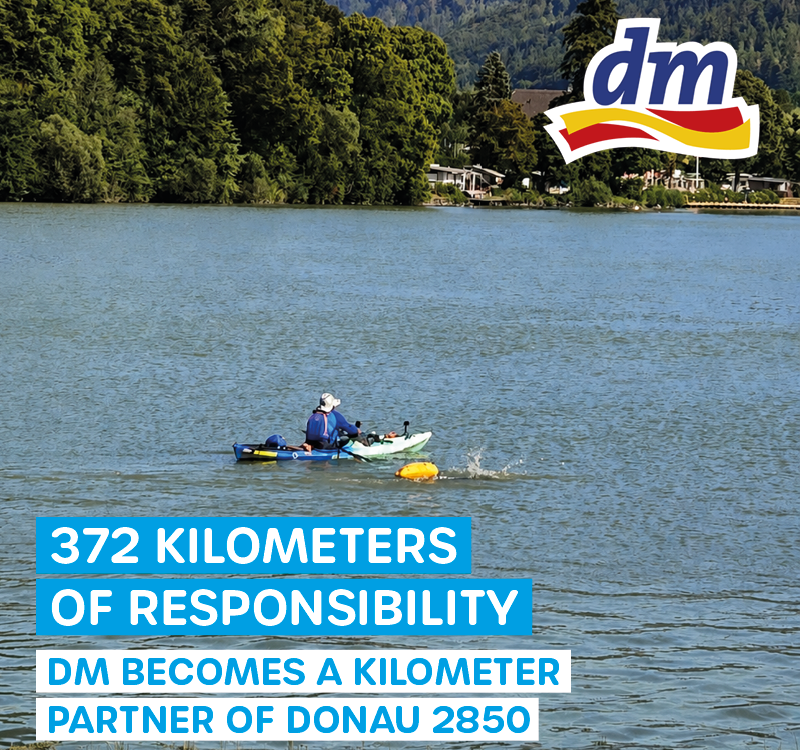
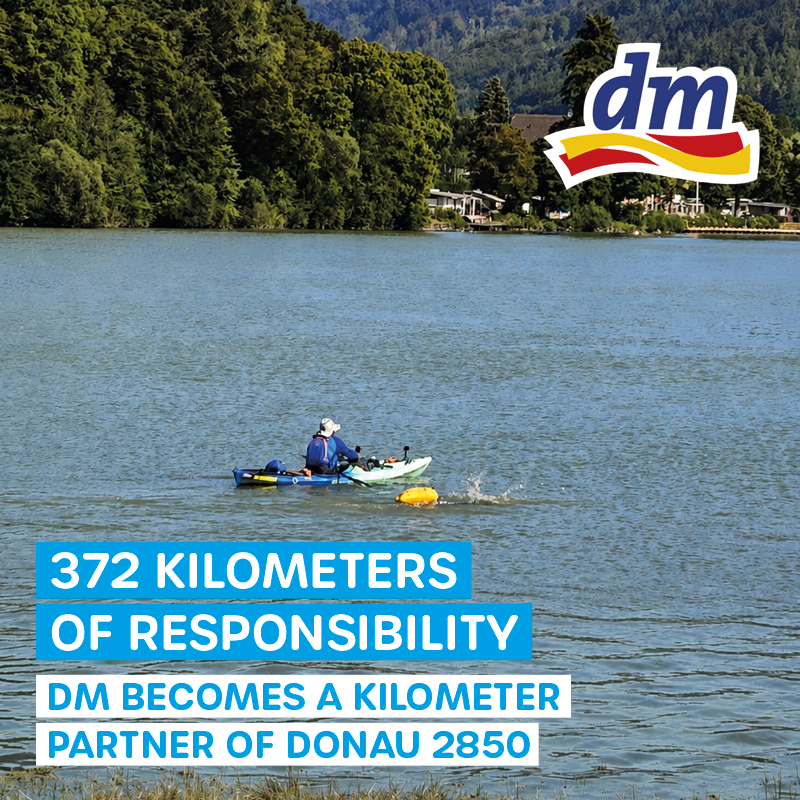
Wachau, Vienna, Donau-Auen: 372 kilometres that everyone knows – and whose microplastic pollution nobody knows anything about. That is changing. As Kilometre Partner of DANUBE 2850, dm-drogerie markt is taking on the sponsorship of this stretch of the Danube.
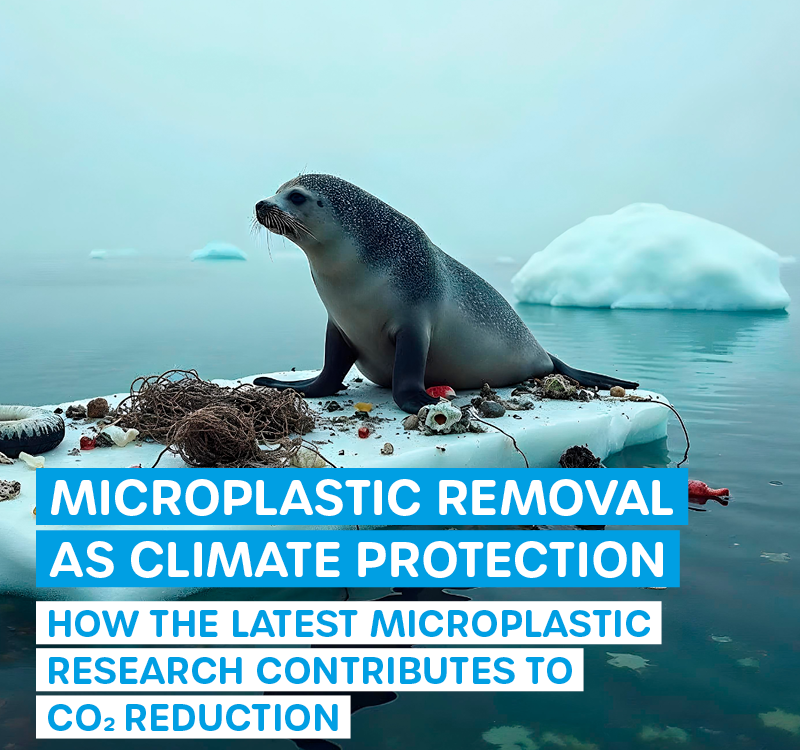
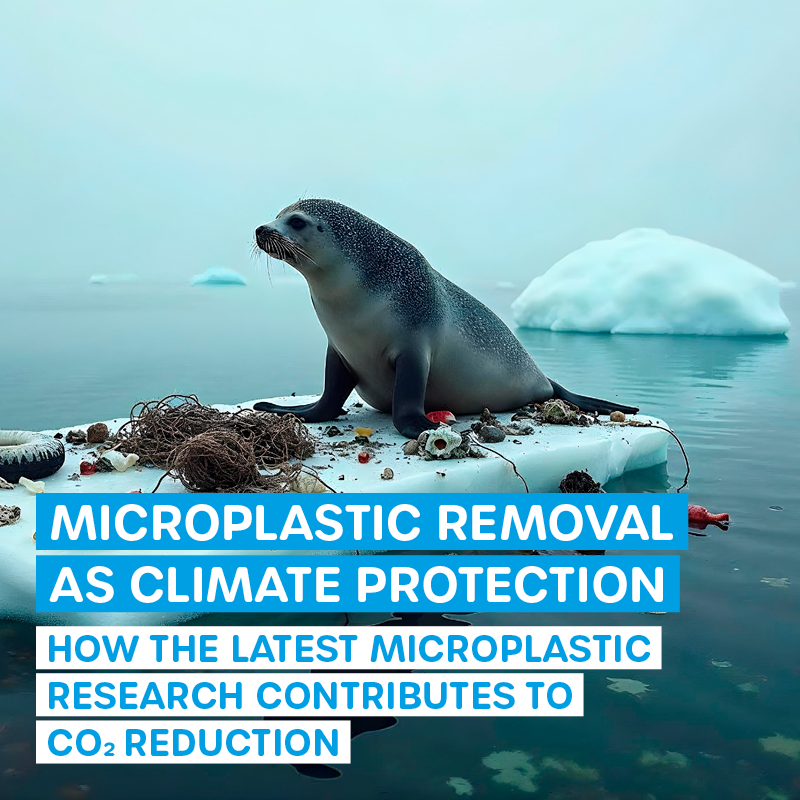
Microplastics are heating up the climate! New microplastics research shows: plastic particles disrupt the marine carbon pump and release greenhouse gases. But targeted removal at hotspots can prevent $390 billion in climate damage. Learn how simple this can be here.
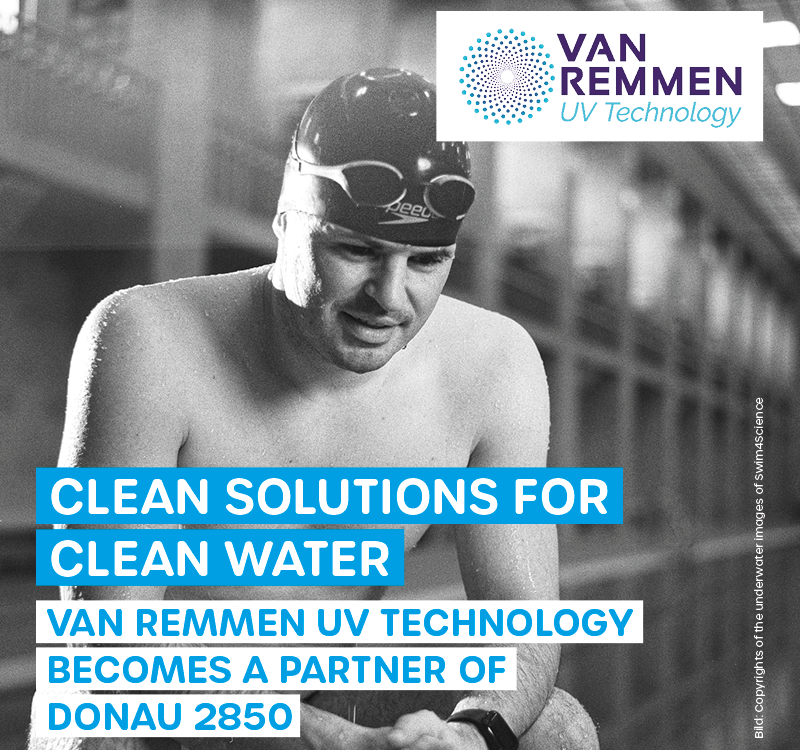
Van Remmen UV Technology takes on sponsorship of 100 Danube kilometres. The Dutch UV-C pioneer supports Europe’s first complete microplastics mapping – for clean, safe water across borders.
120 students, more than 80 water samples, one clear hotspot: The Microplastic Detectives pilot project in Mannheim is complete and is now scaling up. Become a sponsor and help carry this movement forward.
Microplastics are everywhere — but how can they really be measured reliably? The new Wasser 3.0 study shows: with the right method, 21 instead of 51 samples are enough. And the new book Microplastics Crime Case explains what we can do starting today.
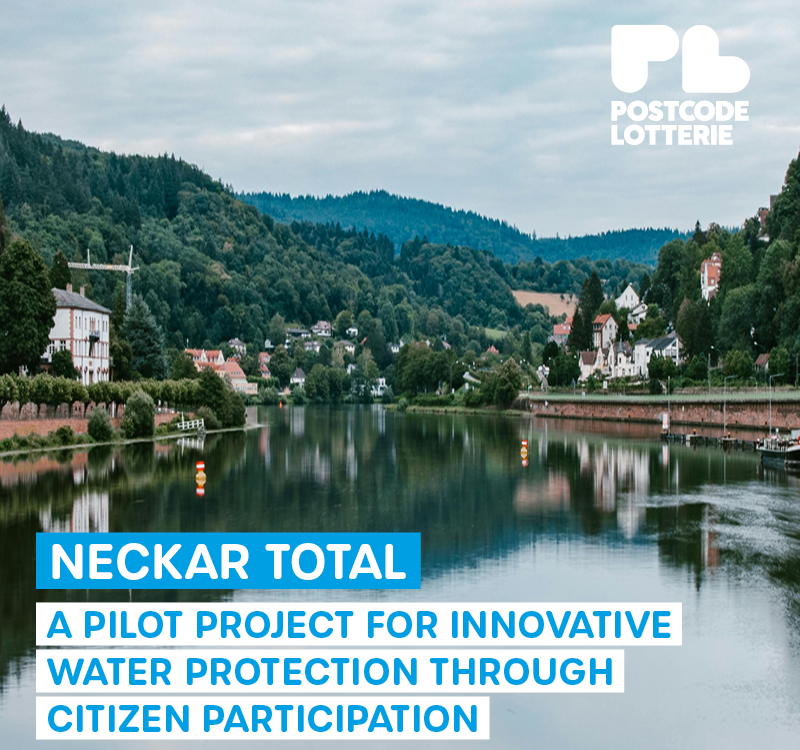
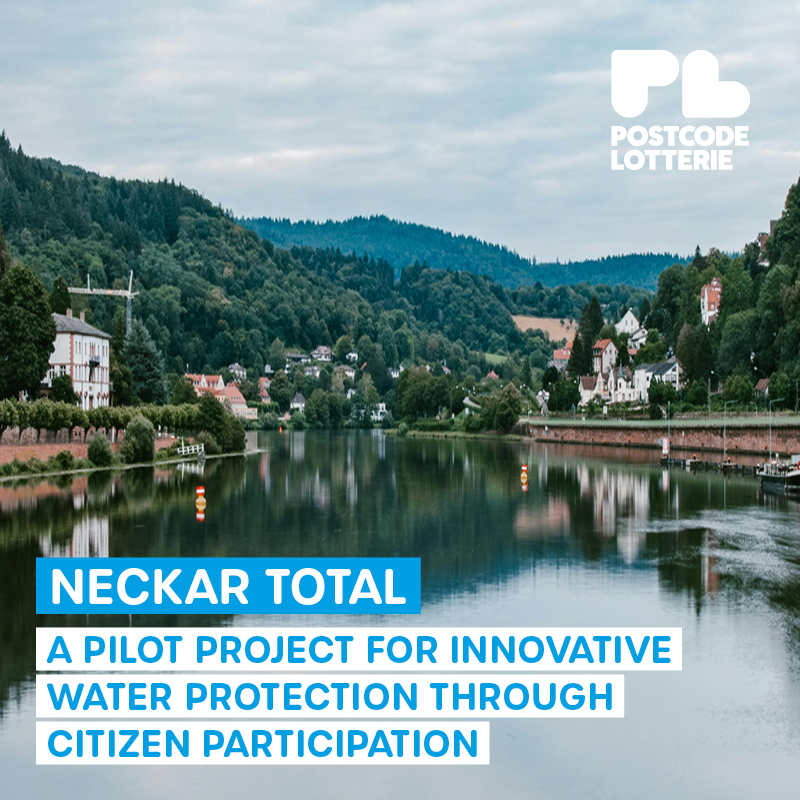
367 km of the Neckar. 5 days. Many people taking action together. NECKAR TOTAL is the largest citizen mapping of a German river – and you can be part of it. No prior knowledge required. Sign up now and make history!