Citizen Science for Schools: Microplastics Research in the Classroom
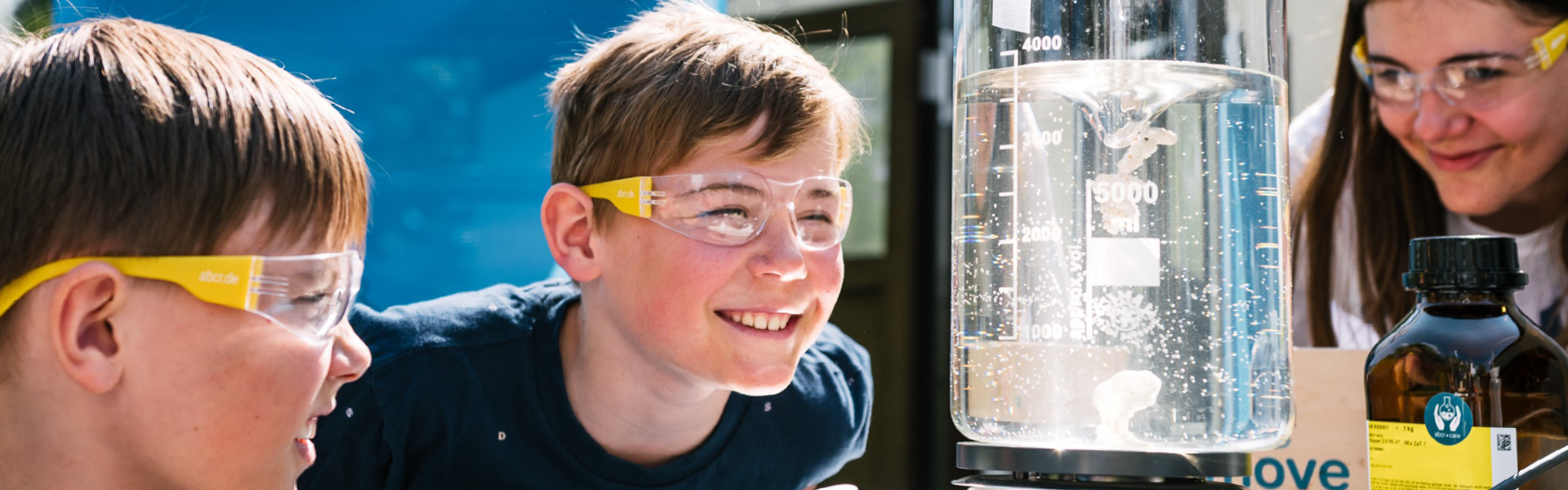
Microplastics are one of the most pressing environmental problems of our time – they have been detected in Arctic ice, on Mount Everest, in human blood and even in breast milk. This is exactly where Citizen Science in schools comes in: through the WASoMI education programme (Water without Microplastics) by Wasser 3.0, students become active environmental researchers. They collect water samples from local water bodies, analyse them using scientific methods and feed their results into the Global Map of Microplastics – a database that is an official part of the EU Mission Charter to restore our ocean and waters by 2030.
Our Citizen Science project for schools combines hands-on STEM education with genuine scientific research. From a primary school project day to an advanced-level seminar course: we provide the right analytics kit for schools, teaching materials and expert support – at a subsidised education price. This helps you meet specific learning objectives of Education for Sustainable Development (ESD) and gives your students real tools for environmental protection.
Why Citizen Science in Schools? Microplastics as a Forward-looking Topic
scientifically complex – and that is exactly why the topic belongs in education. It is a future-oriented subject that combines hands-on learning with real social impact and shows students that their actions matter.
Skills Citizen Science develops in the classroom
- Scientific practice: Students learn sampling, laboratory logic and data analysis – core methods of STEM education.
- Critical thinking: Real data instead of textbook examples helps learners develop an evidence-based view of environmental topics.
- Environmental awareness & ESD: The Citizen Science project addresses key Education for Sustainable Development goals (SDGs 6, 14 and 4).
- Interdisciplinary learning: Biology, chemistry, geography, physics, ethics or civics – the topic integrates seamlessly into cross-curricular project weeks.
- Digital skills: Through the Wasser 3.0 app, students take part in microplastics mapping and follow results in real time.
How the Citizen Science Project for Schools Works – in Four Steps
Our programme is field-tested, standardised and can be delivered by teachers without prior laboratory experience. Students go through every phase of real research – from hypothesis to data publication.
Step 1 – Order the Analytics Kit for Schools
Order the subsidised analytics kit for educational institutions. It includes all materials, safety information and a didactically prepared guide for teachers and students.
Step 2 – Sampling with the Class
Carry out the sampling from local water bodies together with your students following a standardised protocol – ideal as a field trip, project day or coursework in science, geography or environmental studies.
Step 3 – Laboratory Analysis by Wasser 3.0
Send the samples to the Wasser 3.0 laboratory. Our scientists analyse them using the validated Wasser 3.0 detect MP-1 method and feed the data into the Global Map of Microplastics.
Step 4 – Evaluate the Results in Class
Work with your class’s real measurement data, compare it with values from other regions and discuss possible solutions. Real research with real impact – right in the classroom.
Which School Types and Age Groups Is the Project Suitable For?
The Citizen Science programme by Wasser 3.0 is modular and suitable for a wide range of target groups:
- Primary schools: Awareness building through guided project days and age-appropriate introduction to the topic of water.
- Lower secondary (grades 5–10): Integration into biology, chemistry and geography lessons, project weeks and student clubs.
- Upper secondary (high school, sixth form): Research seminars, extended essays, science fair projects.
- Vocational and technical schools: Practical supplement for laboratory, environmental and chemistry training programmes.
Scientifically Proven – Why Citizen Science Works
The effectiveness of Citizen Science in environmental monitoring is scientifically proven. Studies show that targeted communication strategies and the right approach to specific target groups significantly improve engagement. Citizen Science is particularly powerful in education: learners experience self-efficacy when they see their data feed into a global research infrastructure.
The Global Map of Microplastics is an official part of the EU Mission Charter “Restore our Ocean and Waters by 2030”. Every sample from a school contributes to a European research goal – a strong motivational argument for students and a compelling profile-building asset for schools.
What’s Included in the School Analytics Kit?
- Standardised sampling set for water bodies
- Step-by-step instructions for teachers and students
- Didactic supporting materials (worksheets, experiment logs)
- Laboratory analysis by Wasser 3.0 (including detection with Wasser 3.0 detect MP-1)
- Data upload to the Global Map of Microplastics
- Results report for use in class
- Access to the Wasser 3.0 app for digital microplastics mapping
Frequently Asked Questions about Citizen Science for Schools (FAQ)
Do teachers need laboratory experience?
No. The analytics kit is designed so that any teacher can use it without laboratory equipment or specialist training. Detailed instructions and support are included.
From which grade level does Citizen Science make sense?
Initial awareness-raising projects are already possible from primary school onwards. Full sampling and analysis is particularly suitable from grade 7 upwards.
How much lesson time does a Citizen Science project need?
Minimum: two double lessons (introduction plus sampling). Ideal: a project week or a semester-long seminar course with data evaluation and presentation.
How much does the analytics kit for schools cost?
For schools and non-profit organisations, we offer the complete kit including laboratory analysis and data integration at a subsidised education price. Please contact us for an individual quote.
Are the results scientifically valid?
Yes. We use the validated Wasser 3.0 detect MP-1 method with 99.9 % specificity. All data is comparable to that produced by research institutions and flows into the Global Map of Microplastics.
Start Citizen Science at Your School Now
Become part of the largest microplastics mapping movement in Europe. Together with schools, students and teachers, we are writing research history – for water without microplastics
The EU Mission Charter aims to restore our oceans and waters by 2030. With the Global Map of Microplastics and our education program, we demonstrate a concrete way in which this ambitious goal can be achieved through the power of the community.