Legally Compliant Microplastic Monitoring for Municipal Wastewater Treatment Plants
Fulfill the legal requirements of the EU Urban Wastewater Treatment Directive with our standardized complete service – from sampling to documented reporting.
New Legal Requirements: EU Urban Wastewater Treatment Directive
What is changing for wastewater treatment plant operators?
The revised EU Urban Wastewater Treatment Directive (Directive 91/271/EEC) mandates, for the first time, that municipal wastewater treatment plants systematically monitor microplastics in wastewater. As an operator, you must implement and document these requirements by the deadline.
Your Legal Obligations at a Glance
Wastewater Treatment Plants > 150,000 Population Equivalents (PE)
- At least 2x annually sampling and microplastic analysis in the effluent
- Maximum interval between sampling: 6 months
- Additionally: Monitoring of microplastics in sewage sludge
- Documentation requirement for authorities and reporting
Wastewater Treatment Plants > 10,000 Population Equivalents (PE)
- Sampling and microplastic analysis at least every 2 years
- Comparable, standardized measurement methodology required
- Subject to detection and documentation requirements
Why Microplastic Monitoring in Wastewater Treatment Plants?
Municipal wastewater treatment plants are a central control point for microplastic emissions into the environment. Although modern treatment plants can remove a large portion of the microplastics entering through mechanical, biological, and chemical treatment stages, significant amounts of microplastic particles still enter surface waters due to the enormous wastewater volumes.
Facts for Operators
- Wastewater treatment plants are responsible for a significant share of microplastic emissions into rivers and seas
- Microplastic residues remain in the effluent even after three treatment stages
- Systematic monitoring creates transparency and enables targeted optimization measures
- Legally compliant documentation protects against liability risks
Our Complete Service for Wastewater Treatment Plant Operators
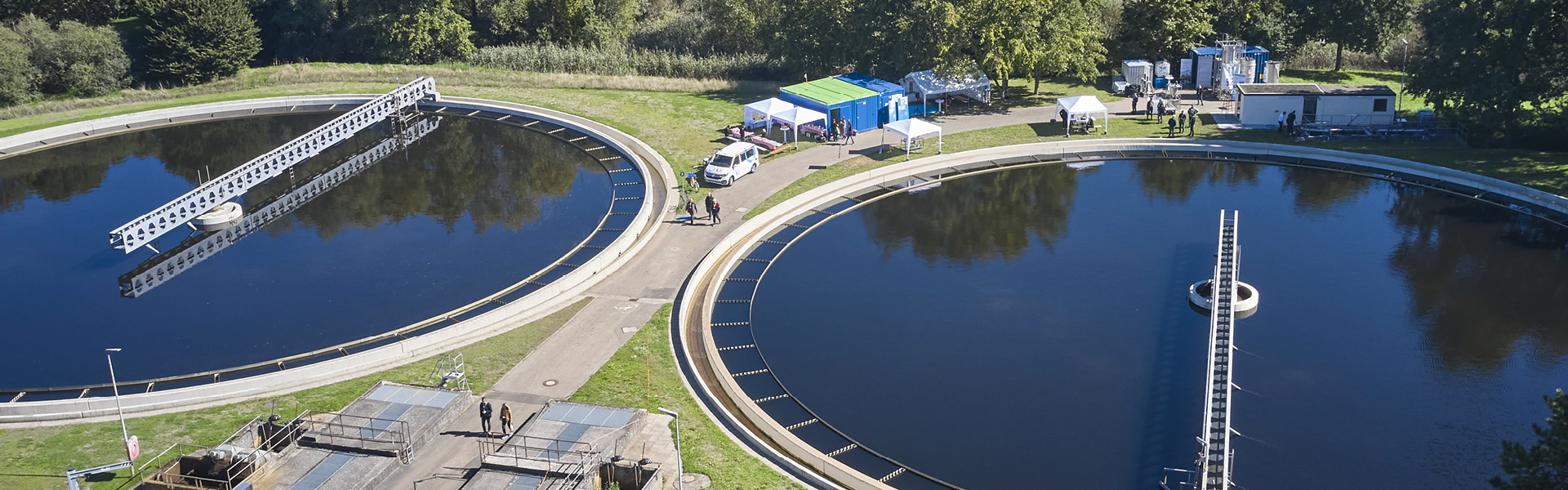
Wasser 3.0 offers you a turnkey solution for fulfilling your statutory monitoring obligations. From standardized sampling and validated analytics to authority-compliant reporting – everything from a single source.
1. Standardized On-Site Sampling
- Mobile sampling unit for flexible deployment planning
- Validated and cross-validated methodology
- Comparable data across different locations and time periods
- Appointment scheduling according to your needs – we take care of the rest
- Minimal effort for your personnel
Required on-site prerequisites:
- Access to the wastewater treatment plant and the outfall/effluent
- Power supply
- Access to tap water
2. Innovative Microplastic Detection
Our microplastic analysis is based on selective fluorescence markers and offers crucial advantages for wastewater treatment plant operators:
- Fast: Timely results for efficient decision-making
- Cost-Effective: Economical solution even for regular measurements
- Scientifically Validated: Cross-validated method, legally compliant for authority reporting
- Proven in Practice: Over 200 wastewater samples analyzed, long-term studies in wastewater treatment plants
- Standardized Unit: Microplastic particles per liter [MP/L] for comparability
3. Authority-Compliant Reporting
- Detailed analysis reports with all relevant parameters
- Documentation according to the requirements of the EU Directive
- Trend analyses and comparative values
- Legally compliant evidence for supervisory authorities
- Support with the interpretation of results
Your Benefits as a Wastewater Treatment Plant Operator
Legal Compliance: Fulfill the requirements of the EU Urban Wastewater Treatment Directive in a timely and documented manner
✓ Minimal Effort: All-inclusive package – we handle sampling, analytics, and reporting
✓ Standardized Methodology: Validated procedures enable comparable results over years
✓ Transparency: Solid data basis for optimization measures and investment decisions
✓ Cost Efficiency: Economical solution for legally mandated routine measurements
✓ Expertise: Benefit from our many years of experience and scientific validation
Extended Services for Proactive Operators
Would you like to become active yourself?
For operators who wish to build up their own capacities, we offer:
- Manuals for standardized microplastic sampling – Training for your personnel
- Manuals for standardized sample preparation – Building internal expertise
- Technology transfer – Implementation of our methodology in your laboratory
Fourth Treatment Stage & Optimization
Beyond the legally required monitoring, we support you with:
- Evaluation and monitoring of 4th treatment stages
- Long-term studies on microplastic and micropollutant removal
- Optimization of existing processes for emission reduction
- Preparation for future tightening of legislation
Outlook: Further Legislative Developments
The EU Urban Wastewater Treatment Directive is just the beginning. The following developments are emerging:
- Possible tightening of limit values and monitoring frequencies
- Extension to smaller wastewater treatment plants (< 10,000 PE)
- Expanded parameters besides microplastics (e.g., micropollutants, pharmaceutical residues)
- Obligation to implement 4th treatment stages
- Stricter requirements for sewage sludge utilization
Prepare early! With our service, you create the foundation for future requirements and demonstrate proactive environmental management.
Ensure Compliance Now
Contact us for a non-binding consultation. We will create a customized offer for your wastewater treatment plant – tailored to your plant size, monitoring obligations, and individual requirements.
Further information