
24. June 2024

Microplastics and Textiles – a state description

One of the main sources of direct microplastic entry into the environment is through the wearing and washing of synthetic textiles. This accounts for approximately 35% of the microplastics entering the global marine environment every year, amounting to between 200,000 and 500,000 tonnes. There are multiple pathways and options to target the unintentional release of microplastics from textiles, from the design through to the use and disposal, that must be considered. The European Commission has identified the textile value chain as a key priority in the EU Circular Economy Action Plan and proposed key actions and measures that are set to be finalized by the end of this year. This blog will provide an overview of issues related to the synthetic textiles, the proposed pathways to target unintentional microplastic release, along with the associated challenges that must be addressed.

17. June 2024

Understanding of water vs reality

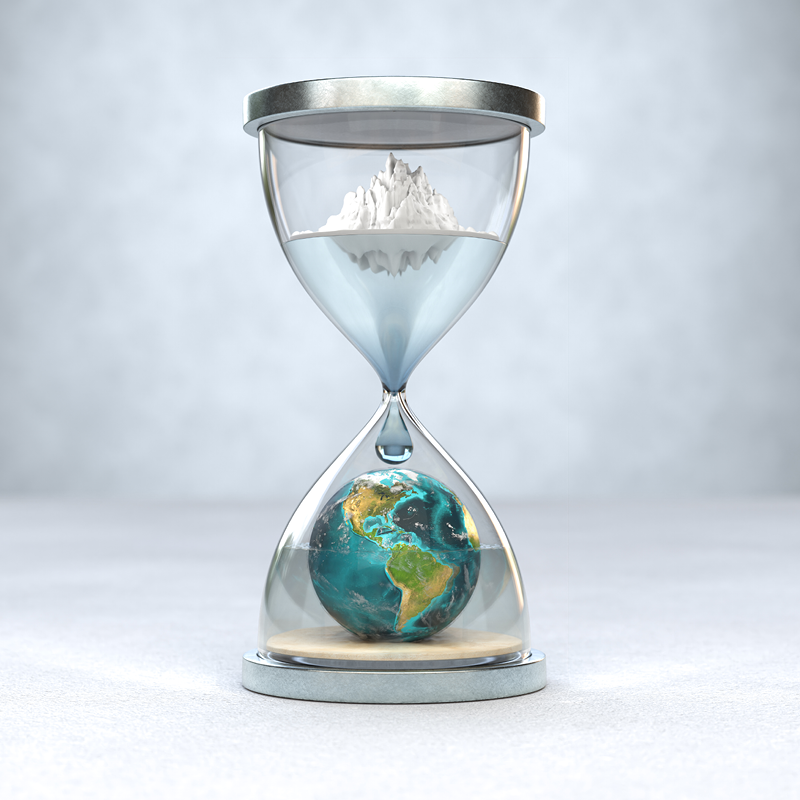
Get up in the morning, drink a glass of tap water, make coffee or tea, take a quick shower, brush your teeth, do your laundry, cook and so on. We need water - for everything. Water is a fundamental and natural part of our lives. Without clean water, we cannot live, we cannot survive. But the image of crystal clear water is becoming clouded. More and more pollutants, more bad news. How should we deal with water as the basis of life in the future?
8. April 2024

Our blog about water without microplastics

We want to stop the uncontrolled pollution of our water with microplastics and micropollutants. In our blog posts, we describe step by step why it is high time to do so and how we want to achieve this. We focus on current information and always keep an eye on the latest opinions and curiosities.
1. April 2024

Sustainable education and knowledge transfer

On the trail of the WHY.... The world is becoming ever more dynamic. The role and function of education and training (school, work, everyday life) is becoming increasingly important. The aim is to offer complexity-reducing transfer tasks and provide assistance in order to be able to argue and act on the basis of facts in the search for answers to pressing questions. This is all quite complex and requires some optimization and adaptation. A look behind the scenes of WASoMI.
22. March 2024

World Water day 2024 in the plastic age

We've all heard of the Stone Age, Bronze Age and Iron Age. But what era are we actually living in today? Perhaps most likely the "plastic age", also known as the Anthropocene ("determined by man"). The age of the disposable society began with the introduction of polymers and plastics into everyday life. And with it came the great promise that cheap plastic products would eliminate the need for laborious cleaning and repairs as well as numerous costs, such as those for transport. And so it was, but unfortunately for far too long people forgot to consider what happens at the end of a product (disposal) or to produce, process, use, and recycle products in a circular manner and beyond internal processes.
14. March 2024

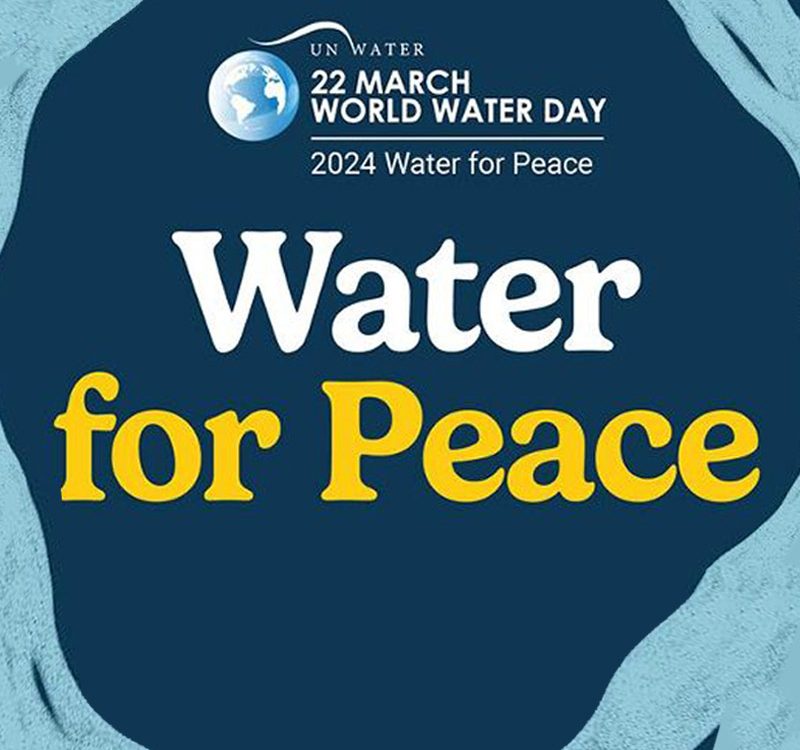
Outlook: Water for Peace – World Water Day 2024

World Water Day celebrates water, teaches us about the importance of water in different contexts, and guides our thoughts and raises awareness of the more than 2.2 billion people worldwide who live without access to clean water. World Water Day is about raising the visibility and recognizing the value of water as well as taking action to protect water and tackle the global water crisis.
8. March 2024

WASoMI training platform launched

As an interdisciplinary team of experts on a mission for water without microplastics, it is our pleasure and concern to share our knowledge and make it accessible to the next generation in the simplest and most appealing way possible. The basis for FREIRÄUME is provided by the scientifically sound digital-real educational space WASoMI. Our chemists, environmental scientists and sustainability experts have contributed their knowledge to it. Thanks to the support of the Postcode Lottery participants, we were able to implement the FREIRÄUME project last year and take the wealth of knowledge about water without microplastics to the next level.
19. January 2024

Forever Chemicals – PFAS (Part 2)

Per- and polyfluoroalkyl substances (PFAS) – synthetic “forever chemicals” – have become a substantial and pervasive global challenge. They have managed to infiltrate diverse ecosystems, contaminate water sources, and accumulate in human bodies. They are incredibly persistent and have significant adverse effects on both human health and the environment. Acting now to unravel the complexity of the PFAS problem and implement effective solutions is critical to prevent further accumulation in the environment and secure a healthier future for generations to come. Part two of our PFAS blog series will address the health risks associated with PFAS and the EU’s recently proposed restriction.
8. January 2024

Microplastics in wastewater treatment plants

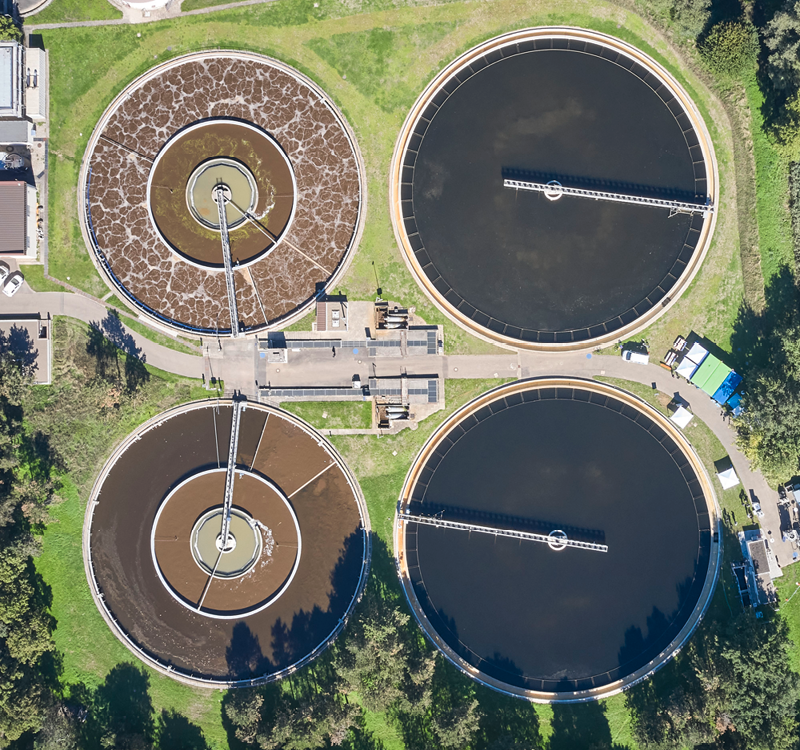
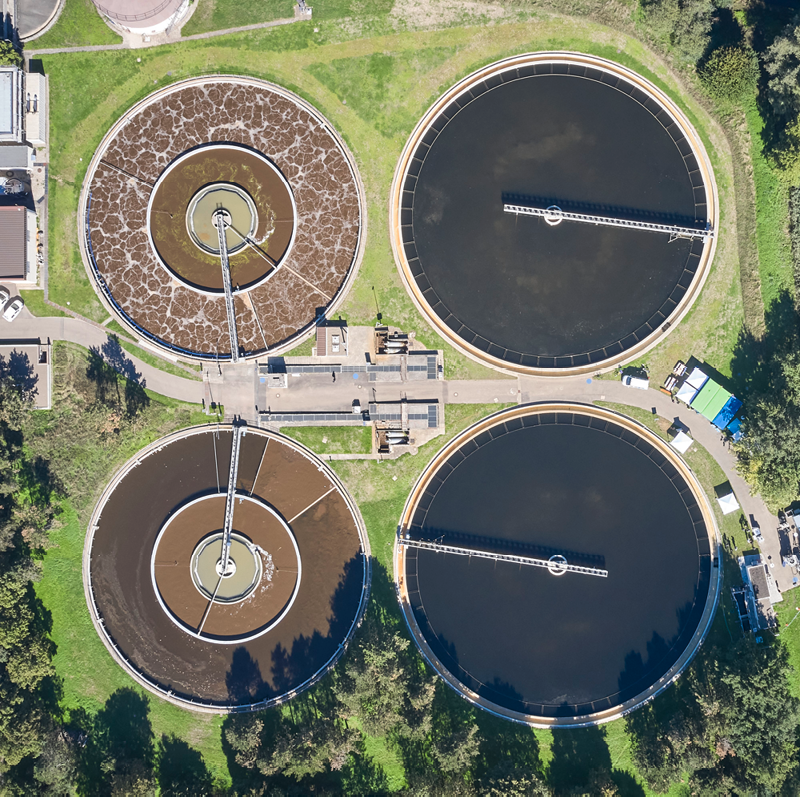
Microplastics and highly viscous oligomers (including soluble polymers) cannot yet be removed within the purification stages of a wastewater treatment plant. For this reason alone, sewage treatment plants are considered to be emitters of microplastics into the environment. Read more in our blog.