No more greenwashing! Life-Cycle Assessments revolutionize the evaluation of sustainable technologies. Learn how standardized impact measurements enable objective comparisons and make real environmental benefits measurable.
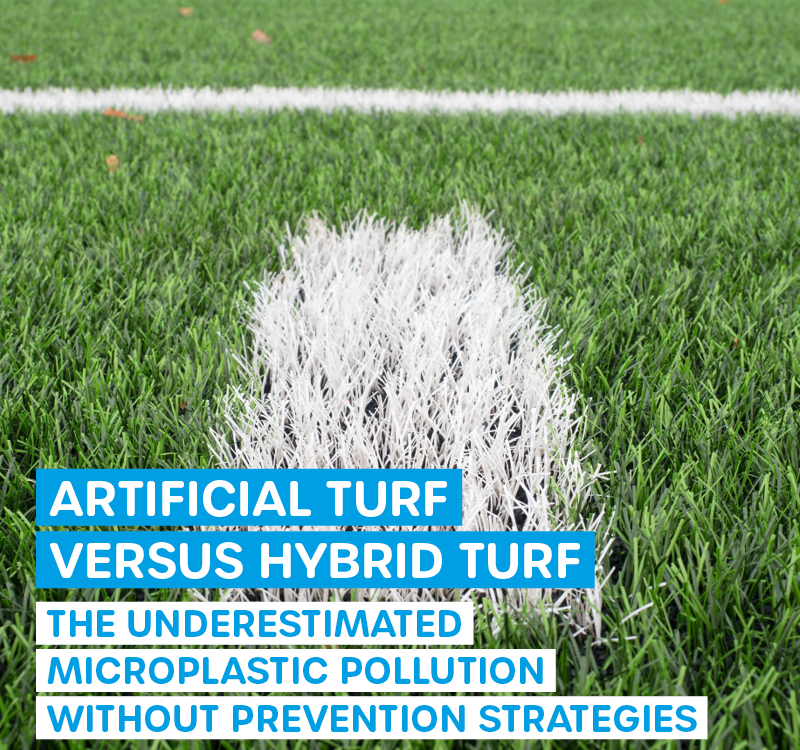
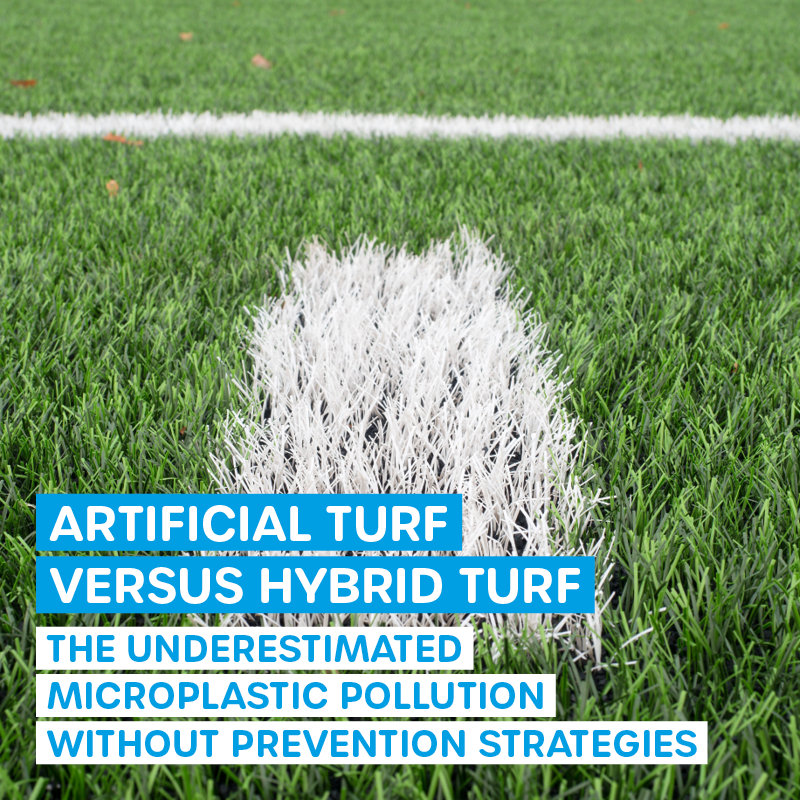
New scientific studies prove that artificial turf pitches without prevention strategies are massive sources of microplastics. Up to 15% of marine plastic comes from artificial turf fibers. Hybrid turf does not solve the problem. We explain.
Toilet paper contains PFAS chemicals that enter wastewater systems when flushed. These "forever chemicals" accumulate in humans and the environment, causing cancer, immunodeficiency, and developmental disorders. The EU is planning a comprehensive ban.
Contrary to popular belief, tire abrasion is not the largest source of microplastics. These account for only a third of emissions in Germany, with textiles, packaging and cosmetics often overlooked. The myth is created by simplification and media focus but prevents holistic solutions.
Contact lenses are an underestimated source of microplastics: incorrect disposal via drains leads to water pollution, and lenses also release up to 90,000 microplastic particles per year when worn. What can everyone do? Find out in our blog.
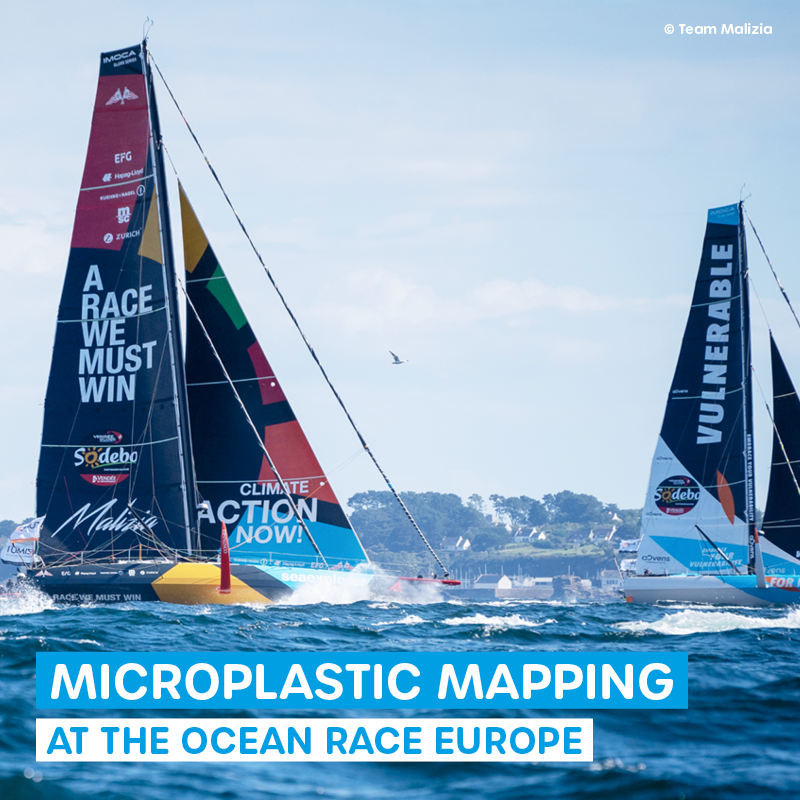
Wasser 3.0 at the Ocean Race Europe in Kiel! From 7 to 10.08.2025 we will be on site to support Boris Herrmann & Team Malizia. And in addition to microplastic mapping, innovative analysis kits & water samples, the “Rebel of Water” Katrin Schuhen will sign her book at the stand!
Nile Red fails in microplastics analytics with 100% overestimation, µFT-IR is too expensive and slow. Wasser 3.0 detect MP-1 revolutionizes monitoring: 15 minutes instead of 15 hours, 56% cost savings, 99.9% specificity. The paradigm shift is here.
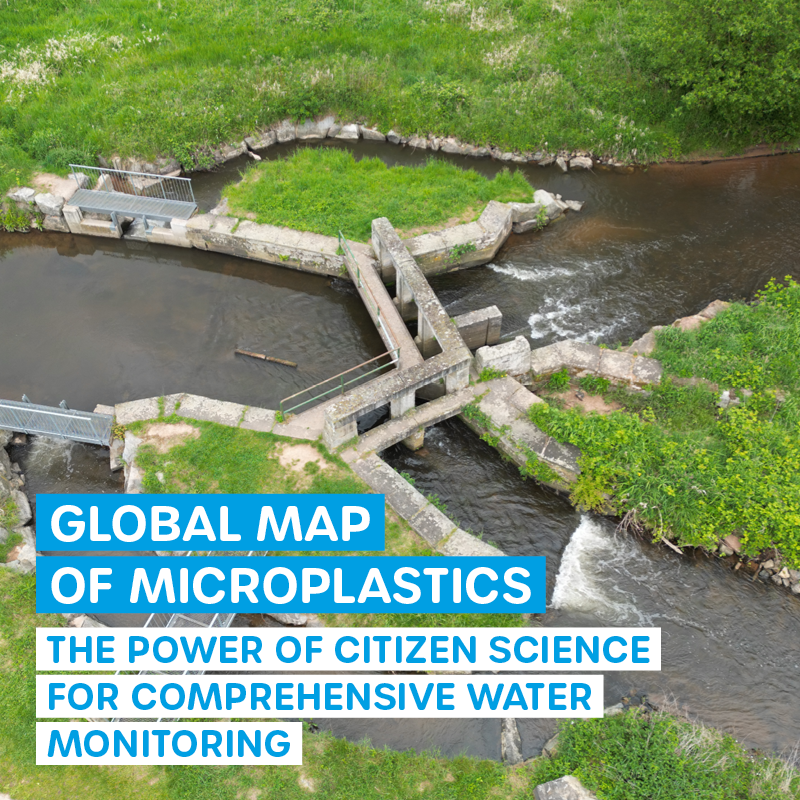
Microplastics are threatening our waters. The Global Map of Microplastics revolutionizes comprehensive monitoring through citizen science - schools can conduct real research with standardized analytic kits.
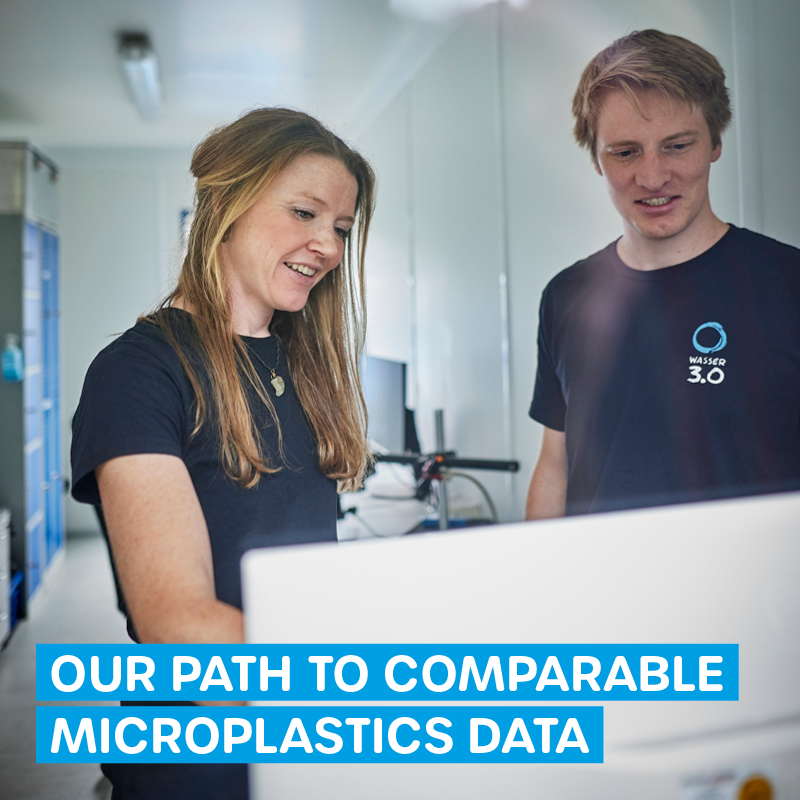
We develop standardized methods for comparable microplastic analysis. Using fluorescence microscopy and special markers, we achieve rapid detection in two to three minutes. We offer a cost-effective alternative to many purely scientific approaches. The challenges of inhomogeneous distribution of microplastics in water remain. We take frequent measurements, and our data is therefore valid and comparable. Read more in the blog.