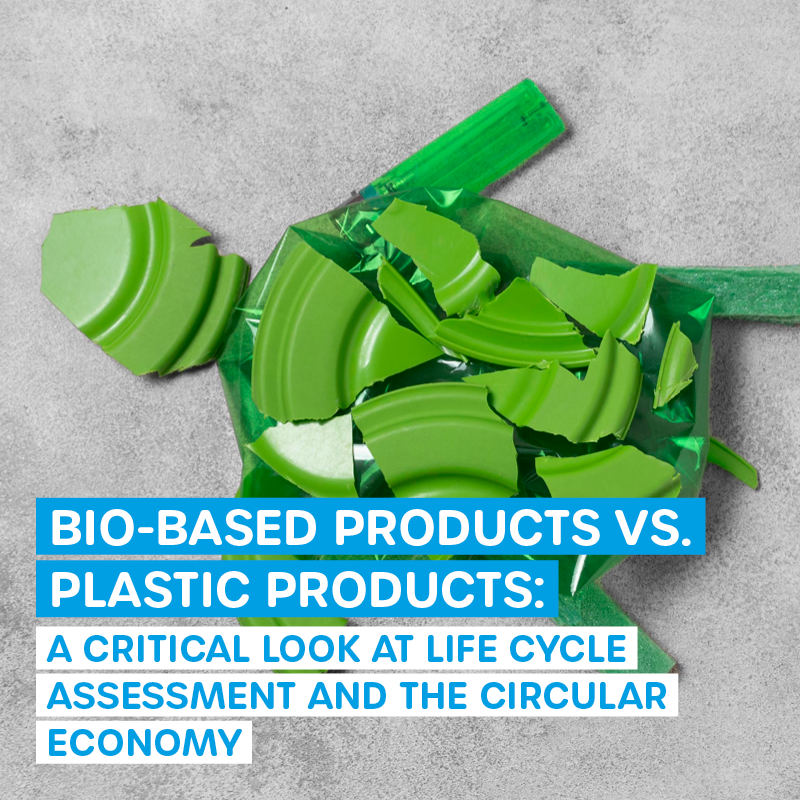
Bio-based products as a sustainable alternative? A critical analysis shows: Even "green" plastics can release microplastics and form unknown pollutants. Why complete Life-Cycle-Assessments are crucial.
Polyamide, polyester, neoprene: During swimming, bathing, and diving, textiles release fibers directly into the water. Research from 2024-2026 shows for the first time how large the problem really is and where we need to start.
120 students, more than 80 water samples, one clear hotspot: The Microplastic Detectives pilot project in Mannheim is complete and is now scaling up. Become a sponsor and help carry this movement forward.
In summer 2026, the first complete microplastics mapping of the Danube will launch. Along the first 687 kilometers from the source to Passau, the scientific expedition is supported by Frankfurt-based digital wealth manager VisualVest.
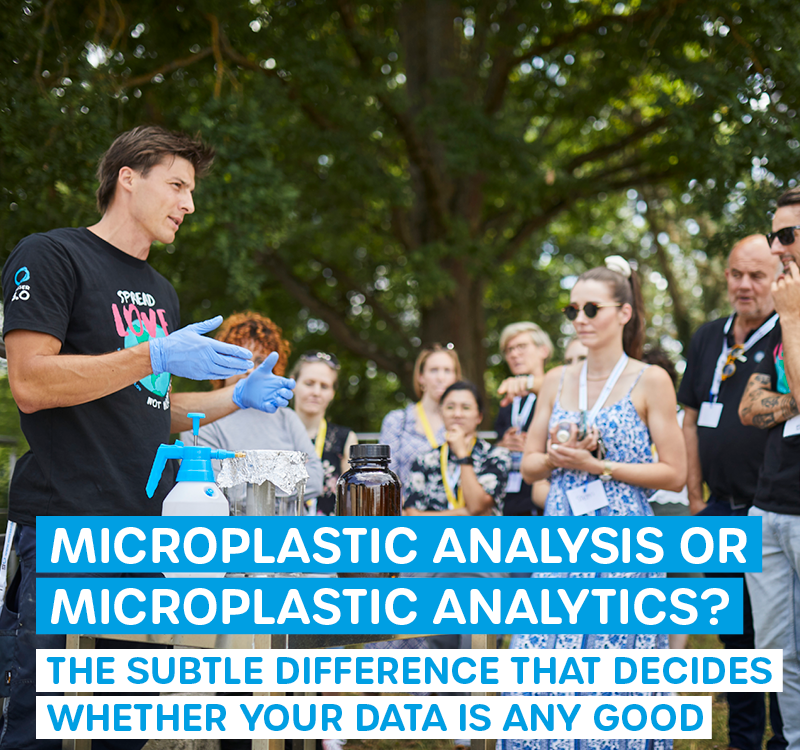
Microplastics are everywhere — but how can they really be measured reliably? The new Wasser 3.0 study shows: with the right method, 21 instead of 51 samples are enough. And the new book Microplastics Crime Case explains what we can do starting today.
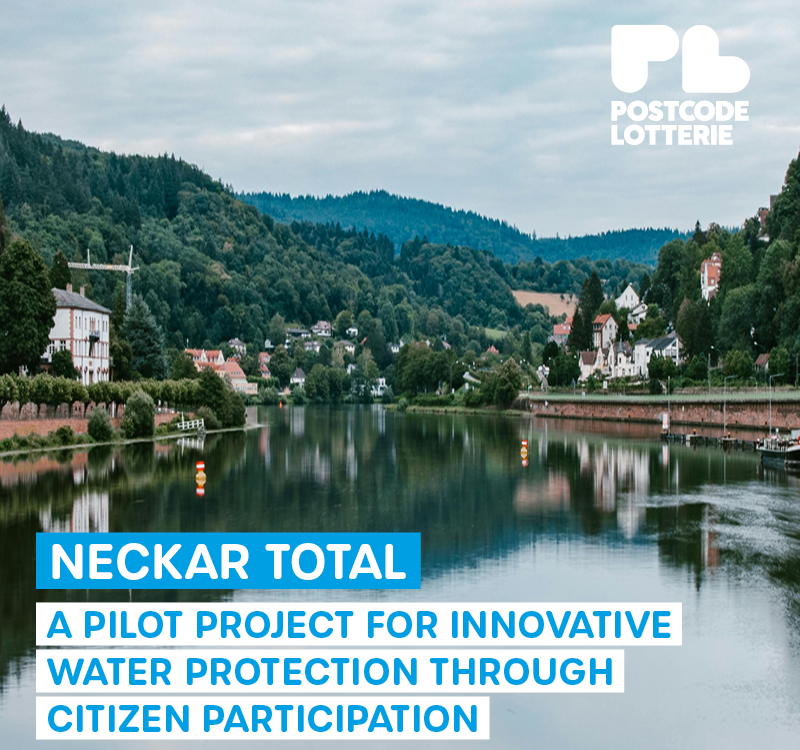
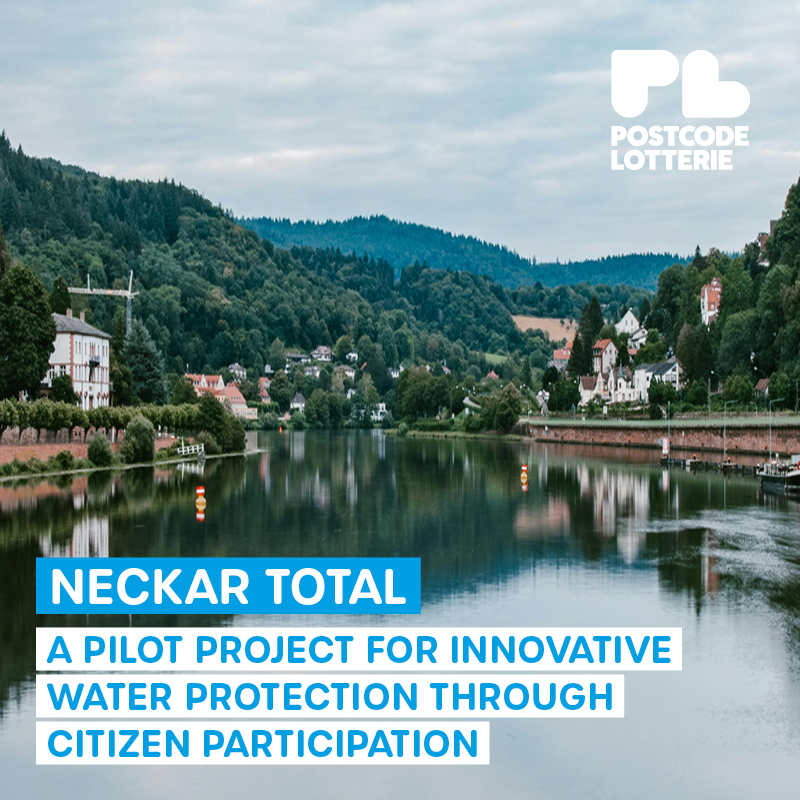
367 km of the Neckar. 5 days. Many people taking action together. NECKAR TOTAL is the largest citizen mapping of a German river – and you can be part of it. No prior knowledge required. Sign up now and make history!
Our technical center team focuses on industrial wastewater from laboratory scale to real applications. We work hand in hand to ensure clean water and functioning processes - quickly and efficiently.
Microplastics are everywhere—in the air we breathe, the water we drink, and the food we eat. But instead of resigning ourselves to this fact, we can take action. With our new guide, we show you eleven concrete measures you can take to significantly reduce your exposure to microplastics.