8. August 2024

Everyday helper: Water bottle

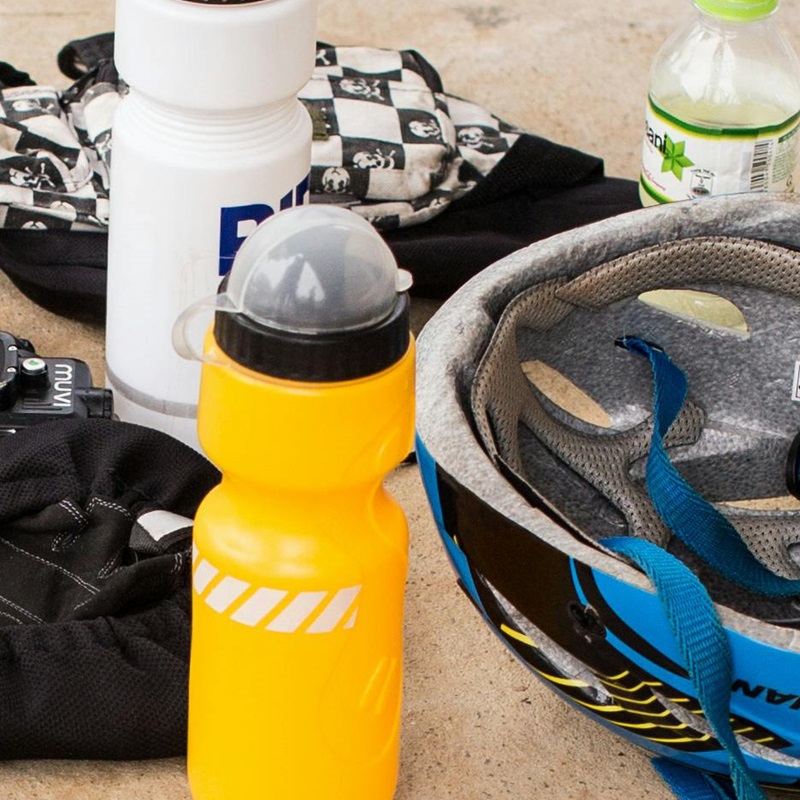
Auf dem Rad, beim Laufen, beim Fußball, oder als Begleiter für unterwegs. Die Kunststoffflasche ist vom Sport und aus unserem Alltag kaum wegzudenken. Fast auf jeden Foto von Athlet:innen, nicht nur Olympia, Weltmeisterschaften, sondern auch bei Jedermannrennen, im Fitnessstudio oder am Strand zu finden, ist das Versorgungsmedium unseres Körper mit Elektrolyten und Flüssigkeit. Auch mit anderen Schadstoffen? Vergleichende Daten zum Thema Mikroplastik fehlen bisher. Wir haben uns dem Thema angenommen, dass so von Marketingseite vieler Unternehmen gepushed wird und klären auf.
27. July 2024

Microplastics and human health

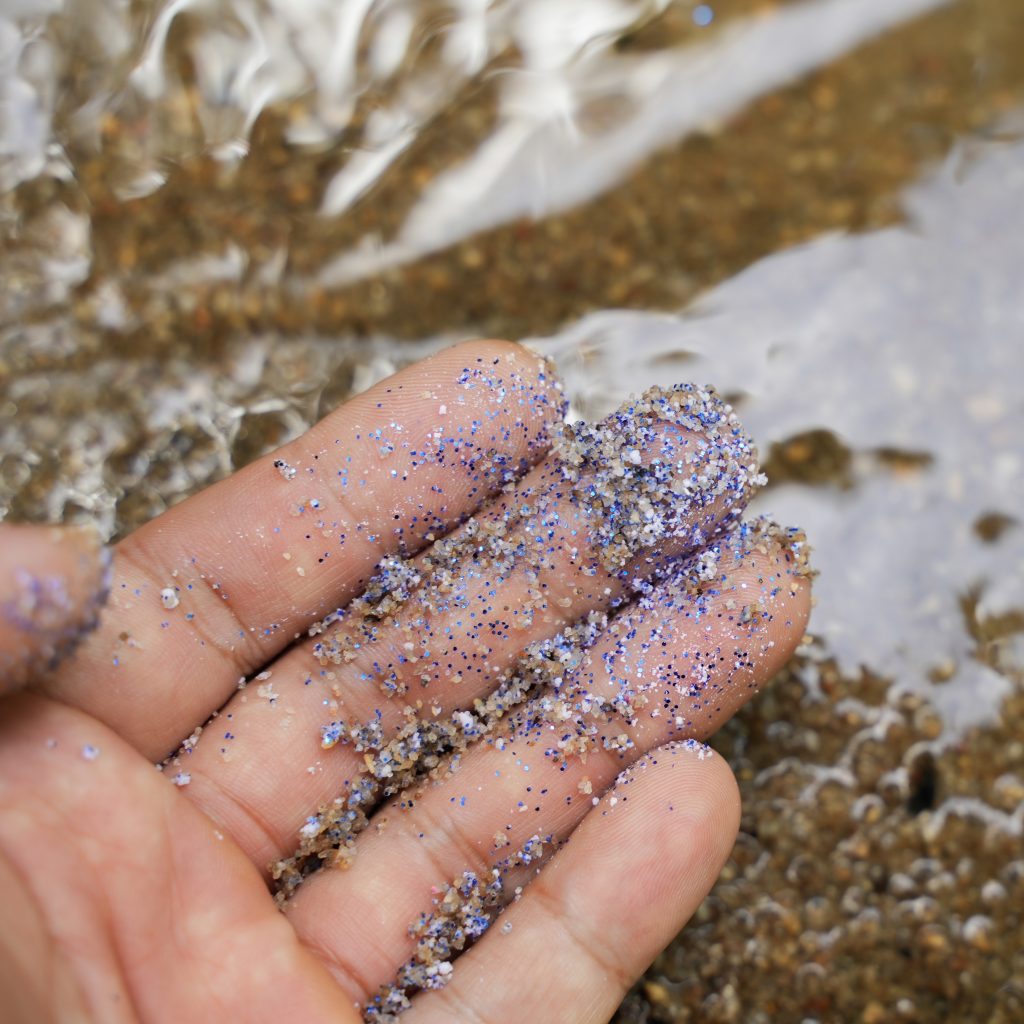
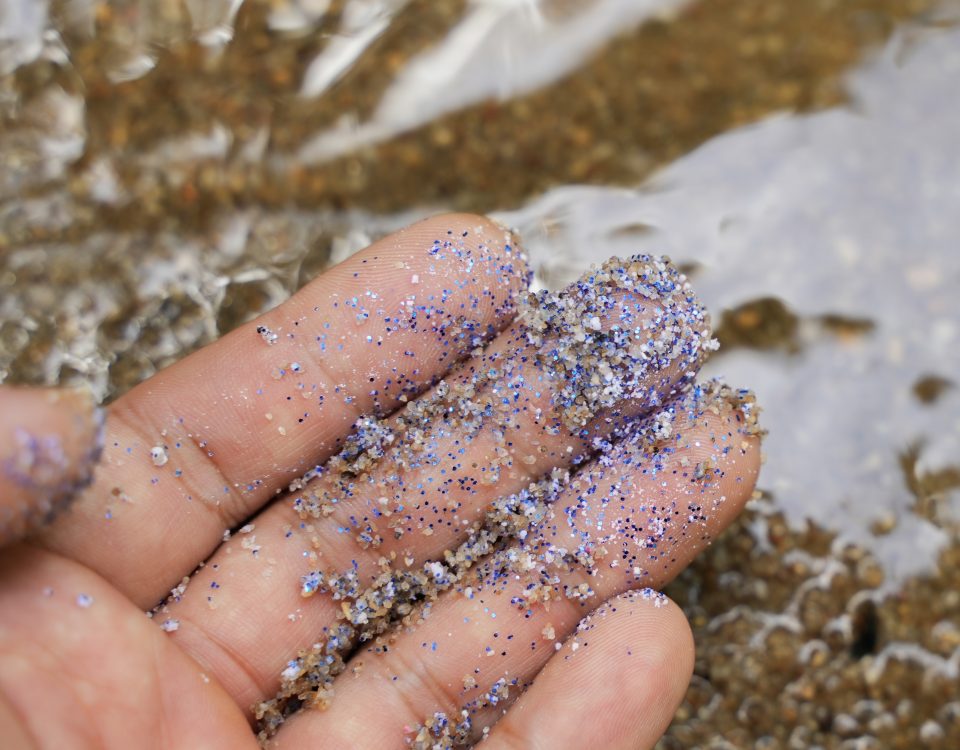
Microplastics have been detected in human blood, lungs, and the placenta of unborn babies. Widespread exposure of humans to microplastics is undeniable. Understanding the impacts of microplastics (< 5 mm) and nano-plastics (< 1 µm) on environmental and human health and the identification of critical thresholds and characterization of hazards, are thus important steps towards effective microplastic management. But thresholds on micro- and nano-plastic concentrations to prevent health-related hazards are difficult to determine, due to their diverse physical and chemical characteristics, and the variety of mechanisms associated with their toxicological effects. This article looks at where our knowledge of microplastic impacts on human health currently stands, and the challenges faced.
17. July 2024

Impact of microplastics on wildlife

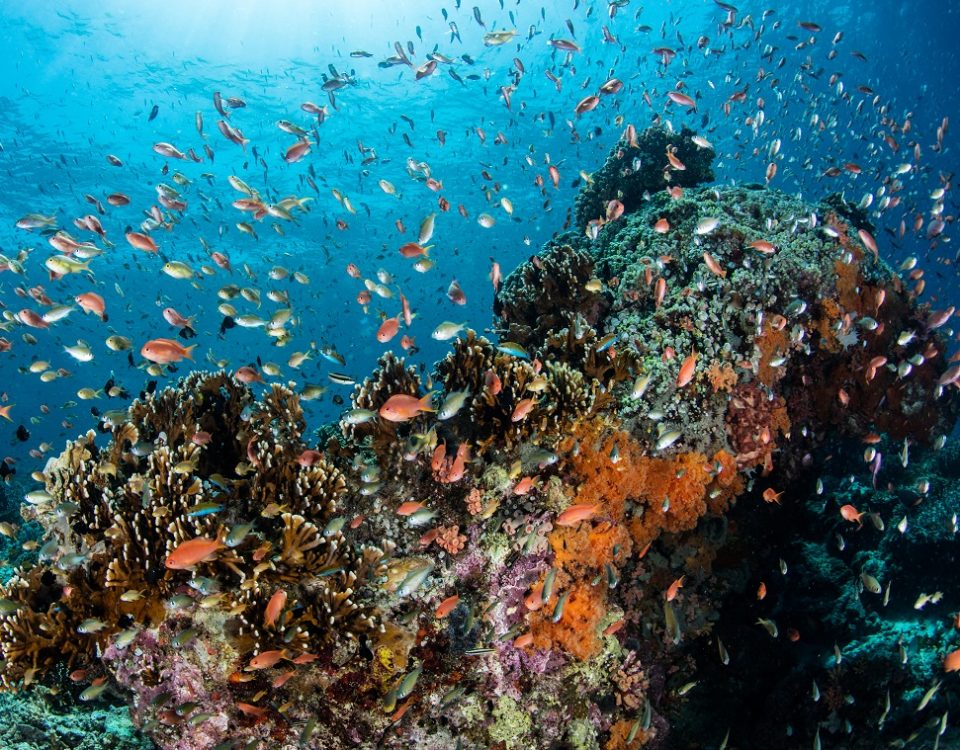
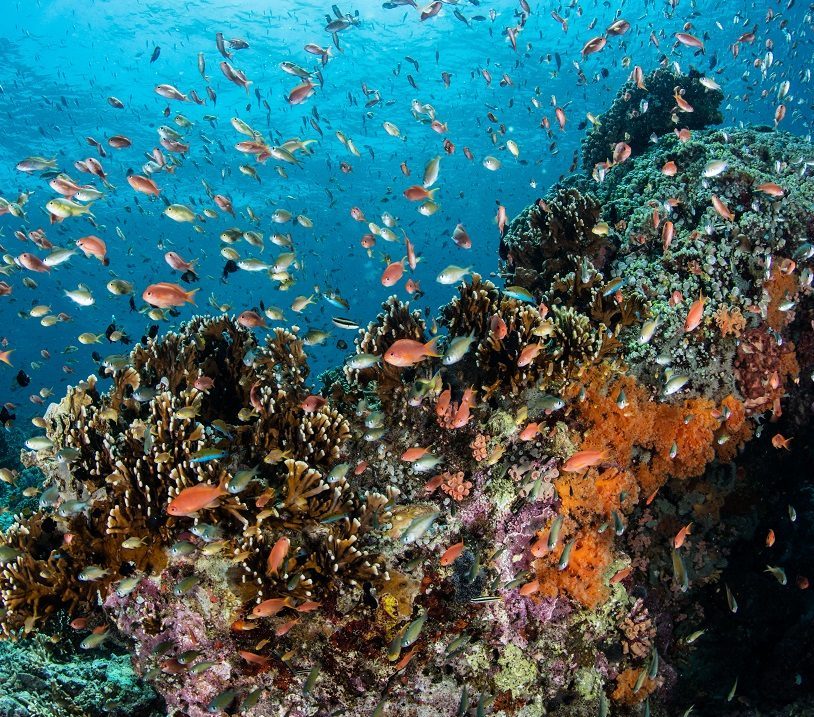
Microplastics are a pervasive environmental pollutant affecting wildlife, ecosystem, and human health. Microplastics can be consumed at all trophic levels and transmitted along the food chain, resulting in numerous long-term detrimental impacts on wildlife and ecosystems across the world. The amount of research investigating such impacts has been increasing over the years. We have gone through recent, state of the art research that has been done on microplastic impacts on wildlife in terrestrial, freshwater, and marine ecosystems, and summarize some of the main points in this blog.
24. June 2024

Microplastics and Textiles – a state description

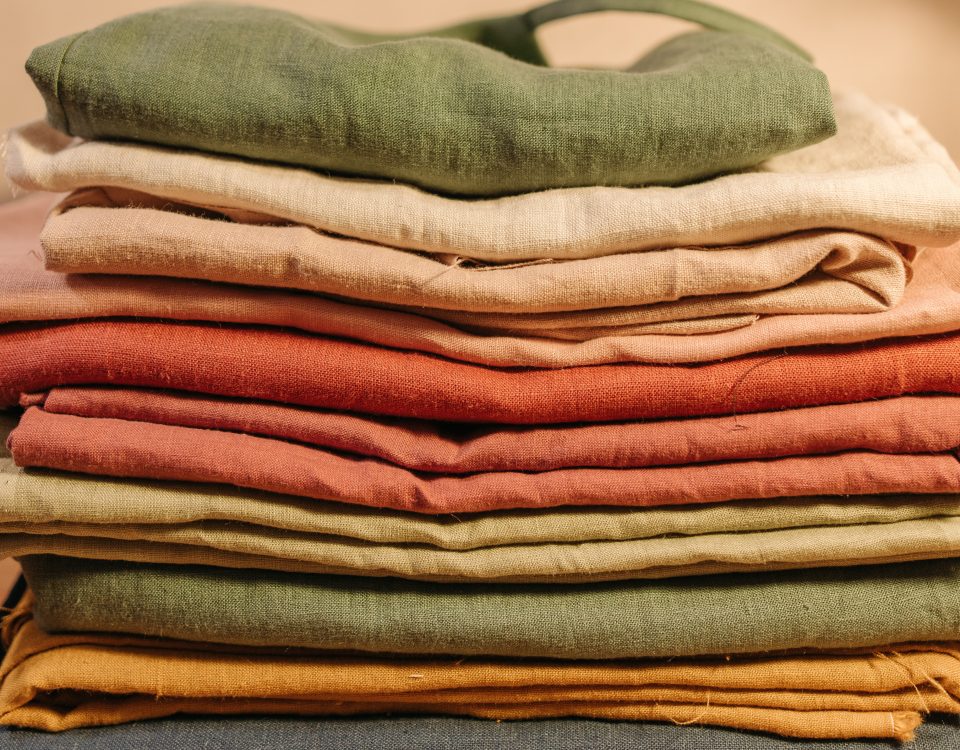
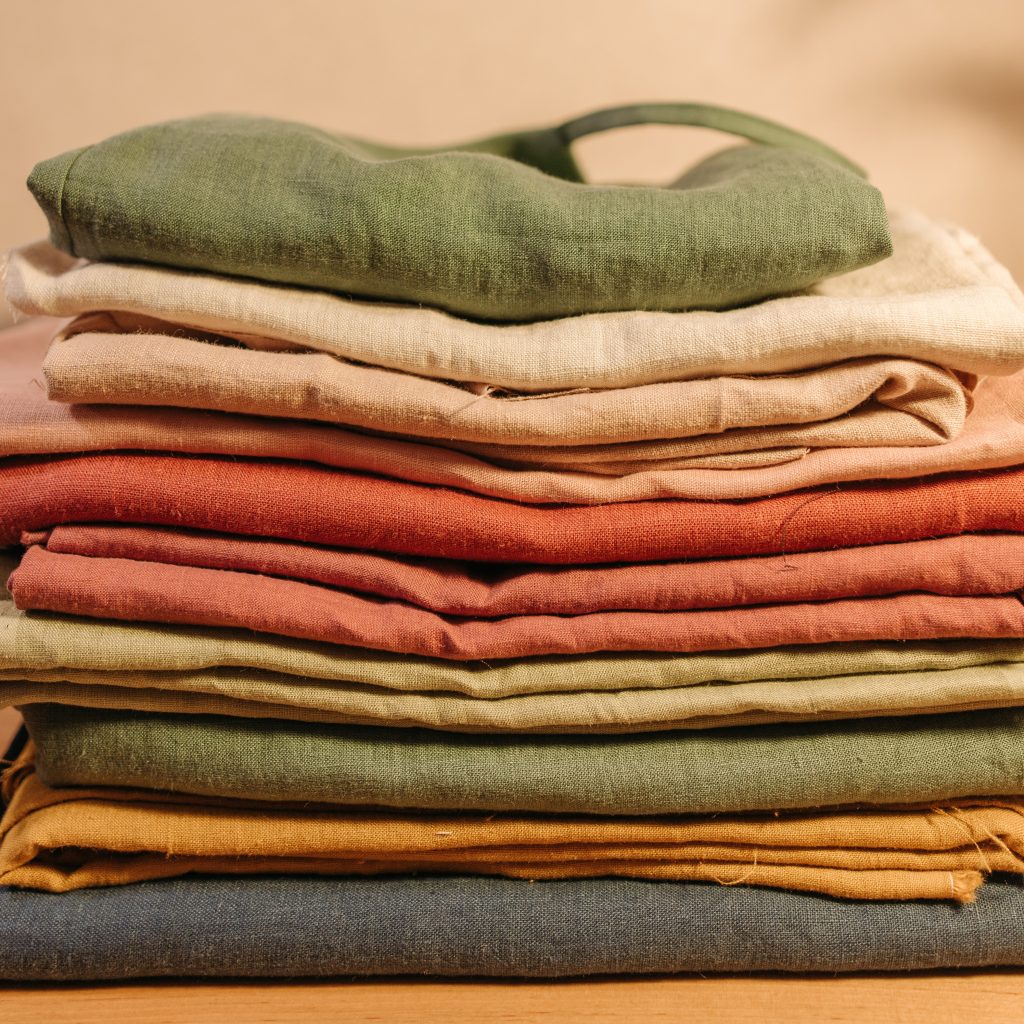
One of the main sources of direct microplastic entry into the environment is through the wearing and washing of synthetic textiles. This accounts for approximately 35% of the microplastics entering the global marine environment every year, amounting to between 200,000 and 500,000 tonnes. There are multiple pathways and options to target the unintentional release of microplastics from textiles, from the design through to the use and disposal, that must be considered. The European Commission has identified the textile value chain as a key priority in the EU Circular Economy Action Plan and proposed key actions and measures that are set to be finalized by the end of this year. This blog will provide an overview of issues related to the synthetic textiles, the proposed pathways to target unintentional microplastic release, along with the associated challenges that must be addressed.
22. March 2024

World Water day 2024 in the plastic age

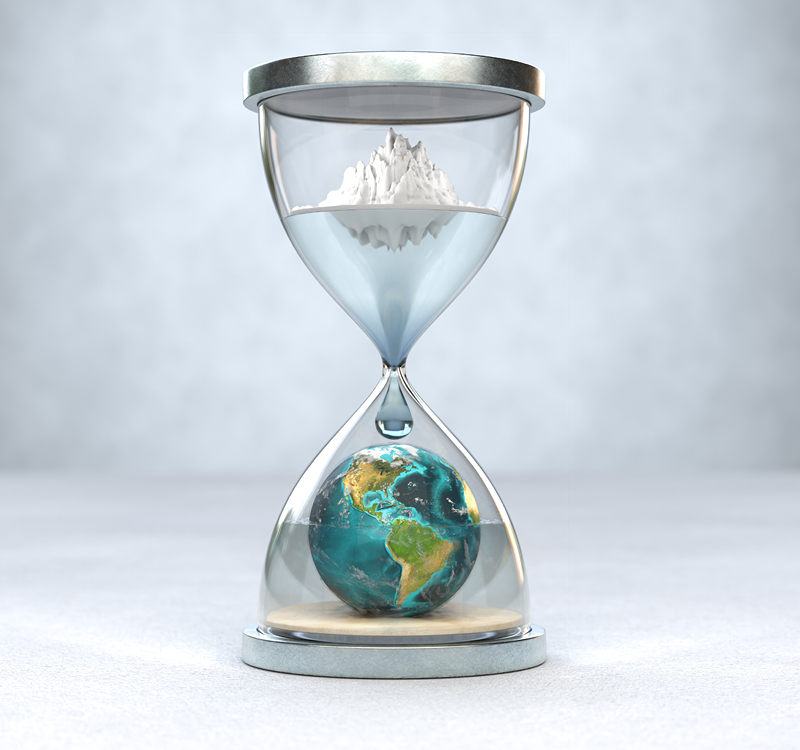
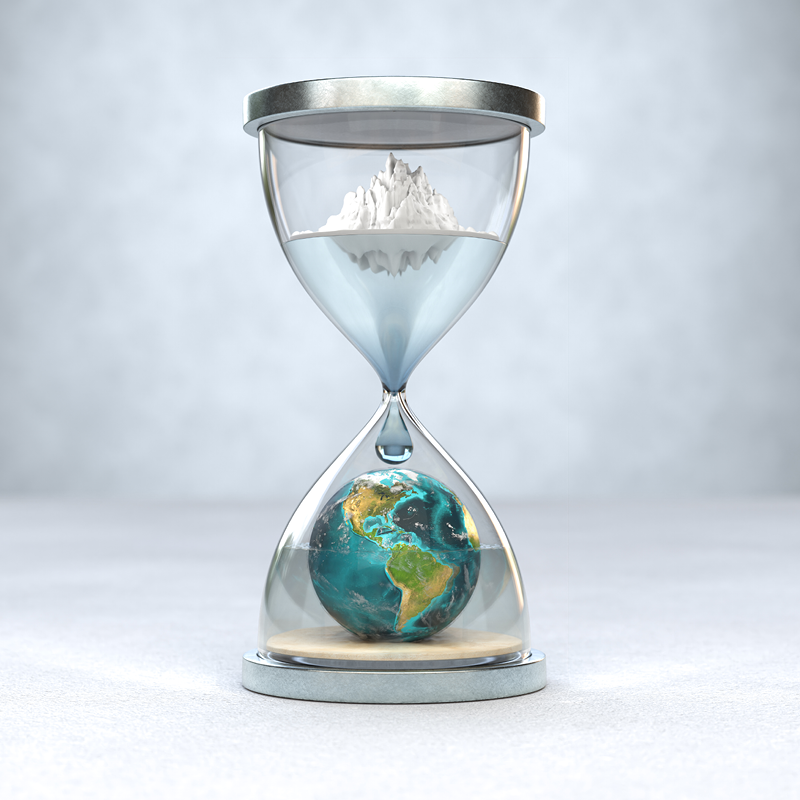
We've all heard of the Stone Age, Bronze Age and Iron Age. But what era are we actually living in today? Perhaps most likely the "plastic age", also known as the Anthropocene ("determined by man"). The age of the disposable society began with the introduction of polymers and plastics into everyday life. And with it came the great promise that cheap plastic products would eliminate the need for laborious cleaning and repairs as well as numerous costs, such as those for transport. And so it was, but unfortunately for far too long people forgot to consider what happens at the end of a product (disposal) or to produce, process, use, and recycle products in a circular manner and beyond internal processes.
8. March 2024

WASoMI training platform launched

As an interdisciplinary team of experts on a mission for water without microplastics, it is our pleasure and concern to share our knowledge and make it accessible to the next generation in the simplest and most appealing way possible. The basis for FREIRÄUME is provided by the scientifically sound digital-real educational space WASoMI. Our chemists, environmental scientists and sustainability experts have contributed their knowledge to it. Thanks to the support of the Postcode Lottery participants, we were able to implement the FREIRÄUME project last year and take the wealth of knowledge about water without microplastics to the next level.
8. January 2024

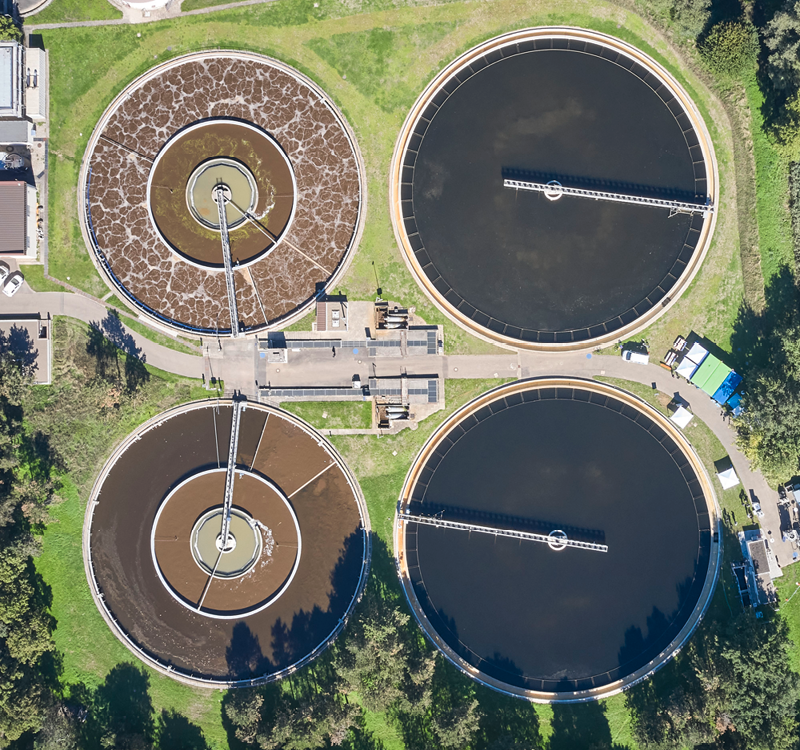
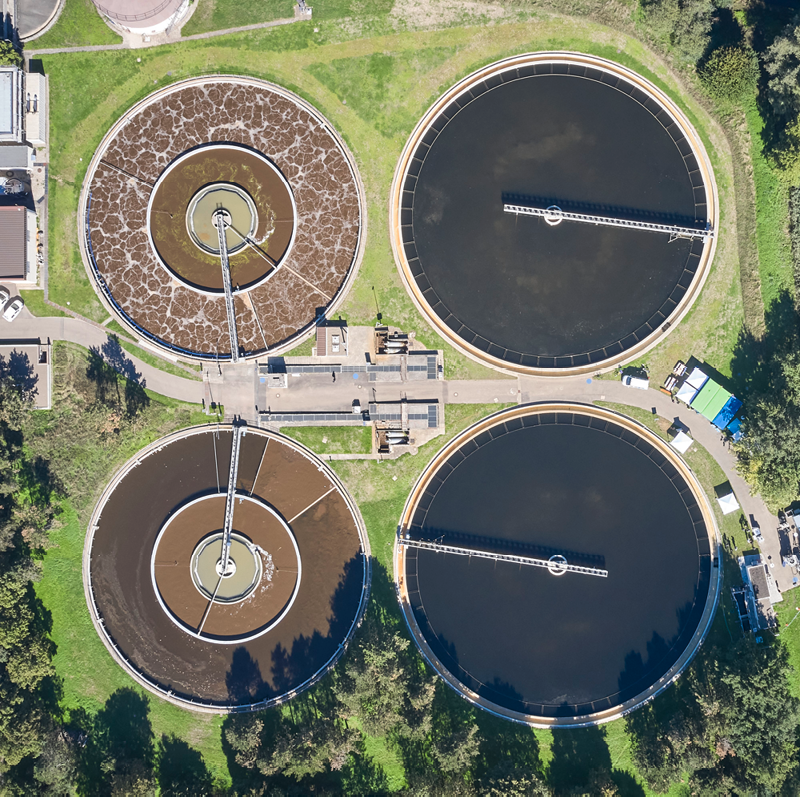
Microplastics in wastewater treatment plants

Microplastics and highly viscous oligomers (including soluble polymers) cannot yet be removed within the purification stages of a wastewater treatment plant. For this reason alone, sewage treatment plants are considered to be emitters of microplastics into the environment. Read more in our blog.
23. September 2023

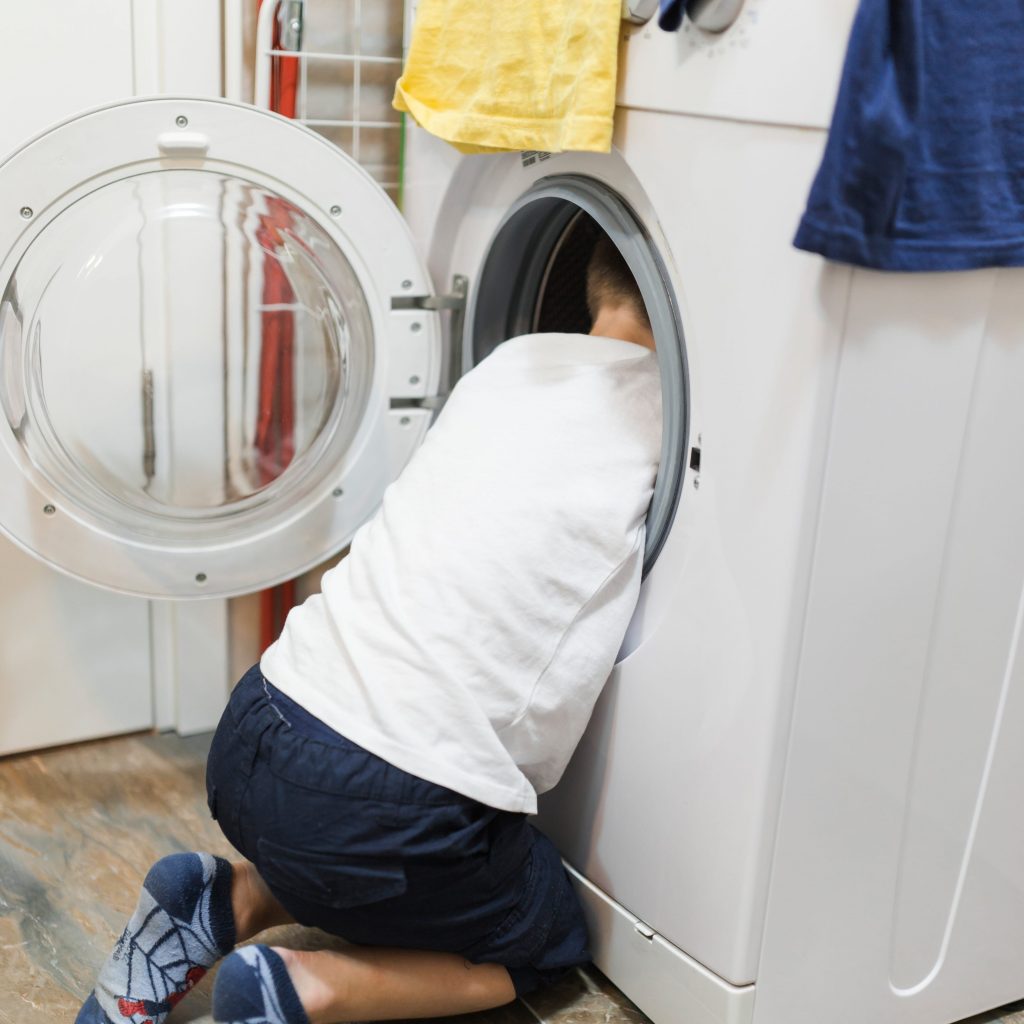
Washing machine study on microplastics published

In one of our last studies on the topic of microplastics, we looked at typical everyday questions relating to washing. One question was: Are washing machines really a hotspot for microplastics? Another was: What can everyone do quickly and easily at home to reduce the input of microplastics from textiles? Answers can be found in the blog and in our publication.
27. June 2023

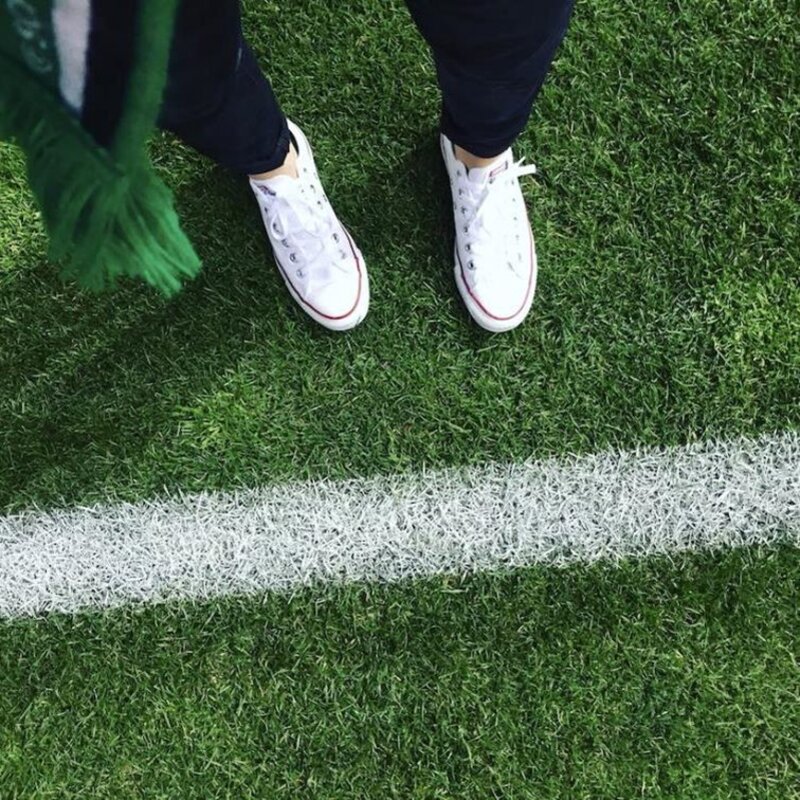
Sports and Microplastics

The focus today is not on functional clothing, but on artificial turf pitches. A place where sport drama takes place and people gather to cheer, cry, fight devotedly and bare their hearts. Artificial turf fields are places of encounter, but unfortunately also a place and pathway for microplastics to enter the environment. The benefits of high robustness and low maintenance have led to a rapid increase in the number of pitches, but no one has considered the associated environmental impacts. However, possibilities exist to minimize the entries into the environment, possibly even to reduce them to zero, and are covered in today's blog.