Bio-based products as a sustainable alternative? A critical analysis shows: Even "green" plastics can release microplastics and form unknown pollutants. Why complete Life-Cycle-Assessments are crucial.
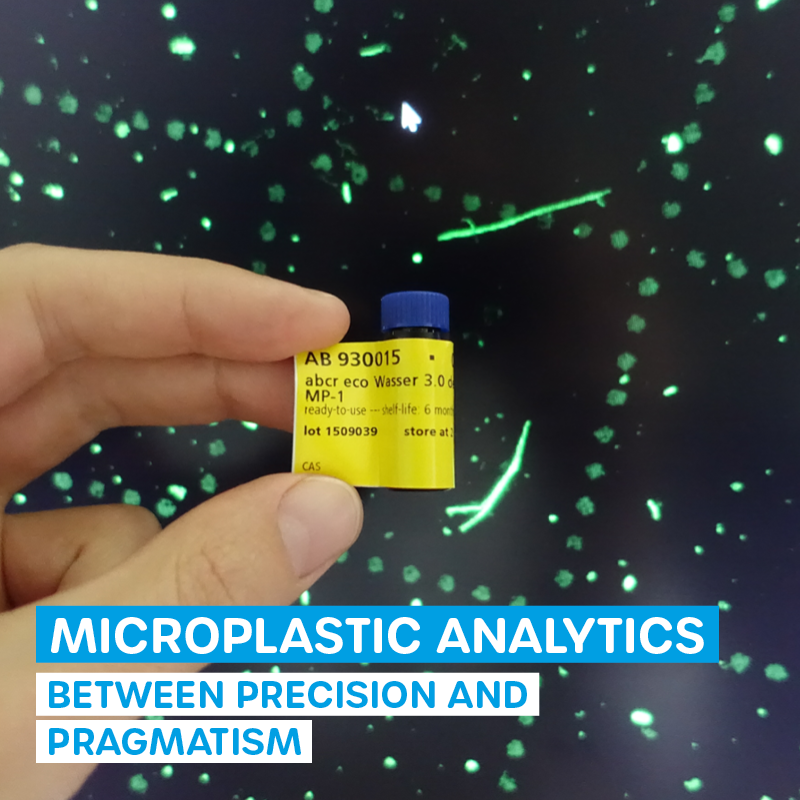
Microplastic analytics requires innovation - existing methods are reaching their limits. Wasser 3.0 detect MP-1 enables rapid, selective, and cost-effective microplastic screening. Citizen science can contribute to expanding data. Effective standardization requires abandoning outdated methods. Read more in our blog.
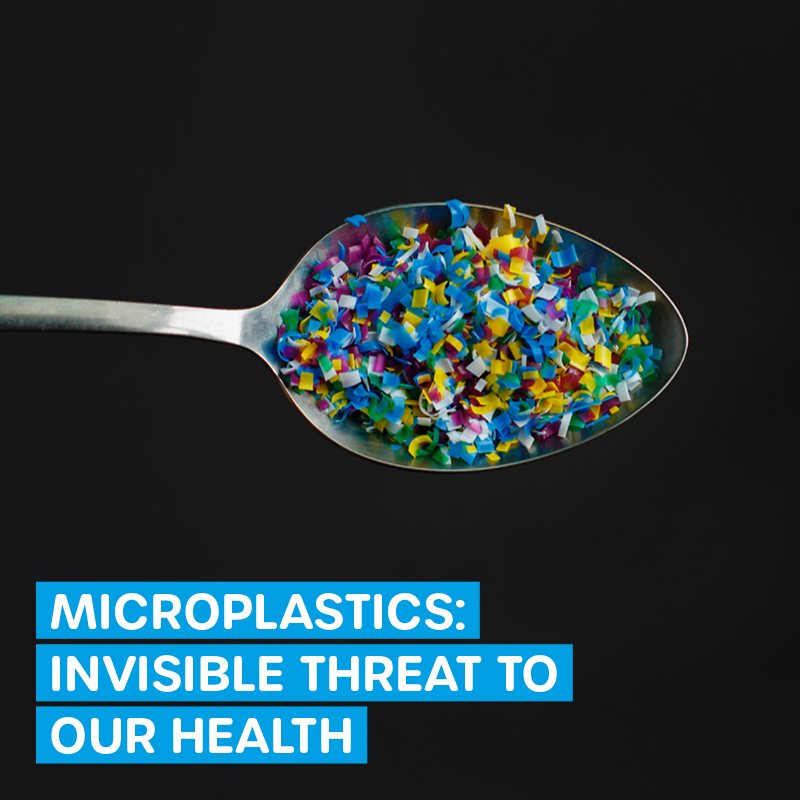
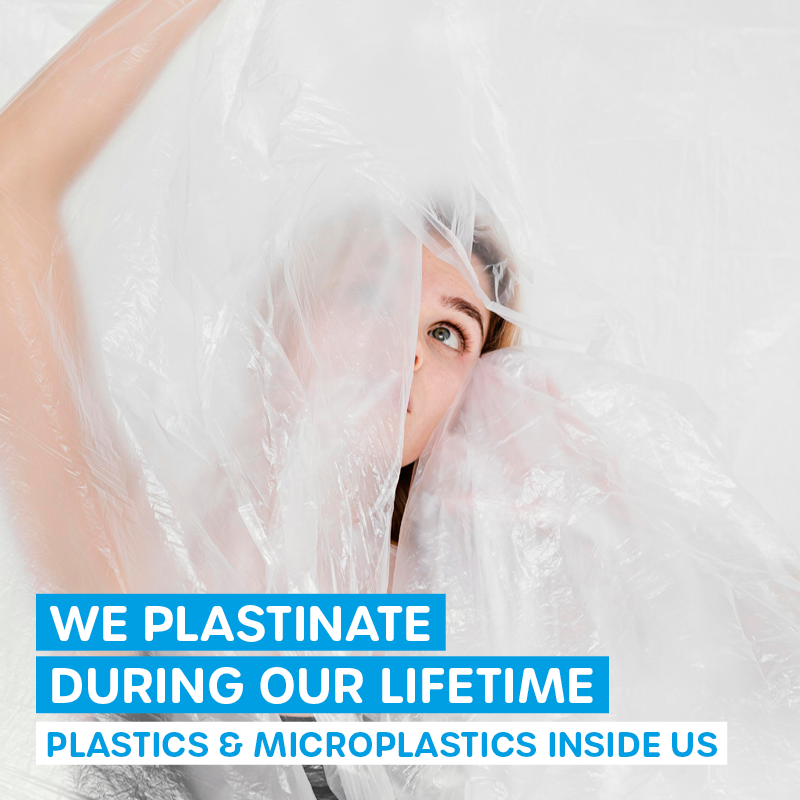
Microplastics permeate our bodies through food, air and water - an involuntary " Plastification in our lifetime". Inflammation, hormonal imbalances and cell damage are possible consequences. Even unborn babies are affected. Solution: Reduce plastic, use alternatives, get politicians to act.
The much-cited claim that we are ingesting "5 g microplastics per week = 1 credit card" is based on a methodologically questionable WWF study from 2019. Marketing systematically misuses this unvalidated figure for product advertising and donations, even though more recent studies show significantly lower figures. Real solutions need solid science instead of shock figures.
Surfrider Baden-Pfalz and Wasser 3.0 worked together to sample the Rehbach River for microplastics. The results can be found in the guest article by Elke Rupprecht.
Wastewater treatment plants are significant sources of microplastics and pollutants such as PFAS/PVA. Together with Van Remmen UV Technology we are developing innovative solutions for the future of clean water in the EU project UPSTREAM. Find out more in our blog.
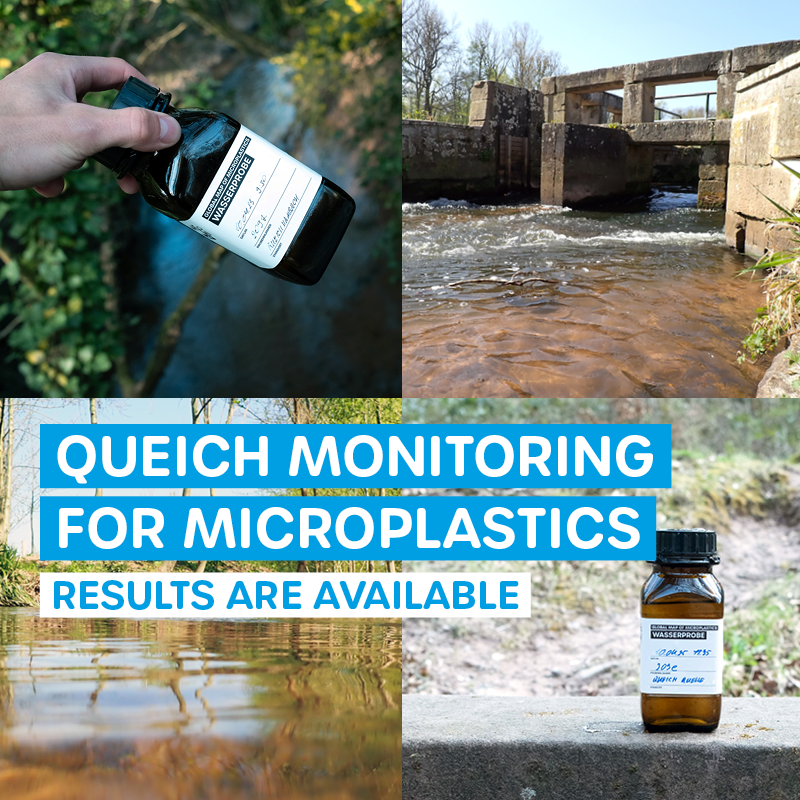
This May, in a unique campaign with schools, an environmental protection organization, the River Queich was sampled for microplastics across its entire surface
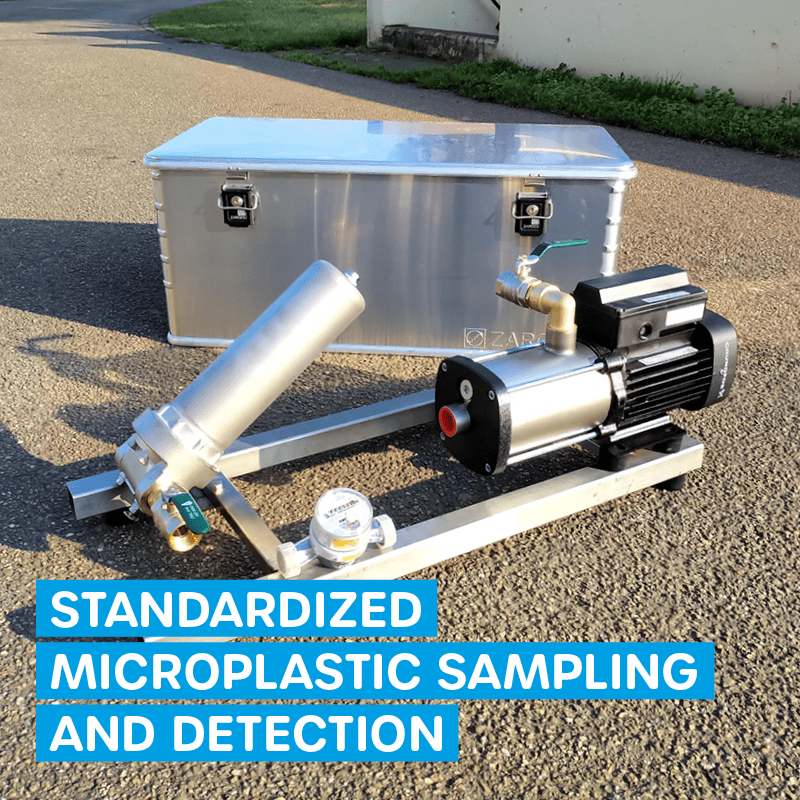
Collecting microplastic samples at a municipal wastewater treatment plant and monitoring microplastic levels over the long term poses major challenges for both wastewater treatment plant operators and microplastic analysts. For municipal wastewater treatment plants, the question of how much wastewater needs to be analyzed to make a representative statement about contamination is also coming into focus and is reason enough to take a closer look at this topic.
Textiles made from synthetic fibers can release microplastics both when washed and worn. This knowledge is not new. What drove us in our study was the question of how many microplastics different basic fiber materials release and how recycled fibers perform in comparison. Our current cycling jersey comparison provides exciting and groundbreaking answers.