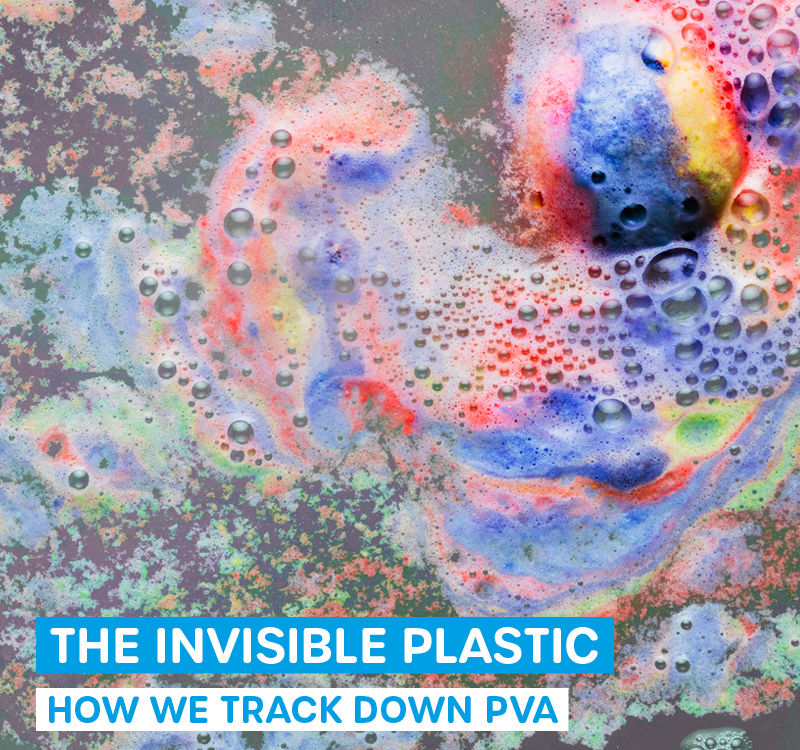

Water-soluble doesn't mean invisible! Our new UPSTREAM publication shows for the first time how Polyvinyl Alcohol in wastewater can be detected and removed by 99%. A breakthrough for clean water – from the lab to implementation.
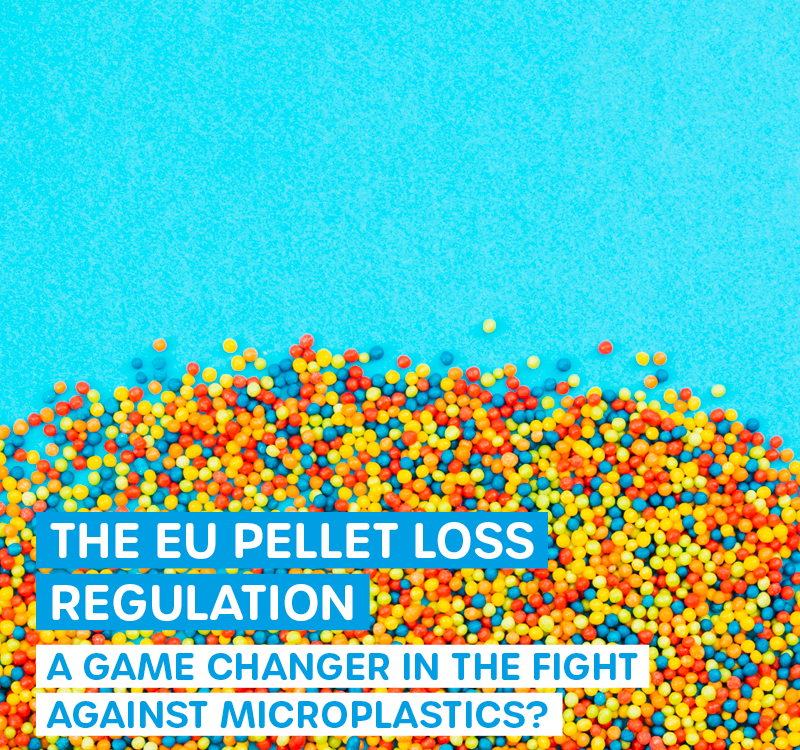
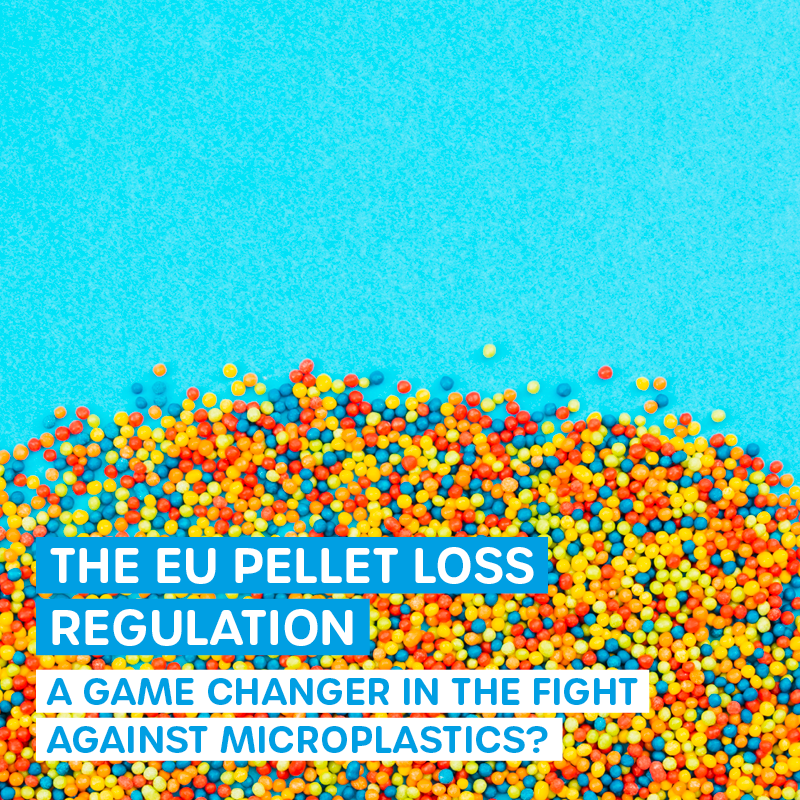
The EU is getting serious about microplastics: with the new Pellet Loss Regulation, binding standards are being introduced for the first time. Up to 74% fewer pellet losses are possible – but science also reveals critical gaps. A game changer or does it only look good on paper?
World first on the Neisse: NEISSE TOTAL combines AI-supported microplastic analysis with cross-border citizen science. The first complete mapping of a European river – 256 km, 3 countries, 1 revolution in water protection.
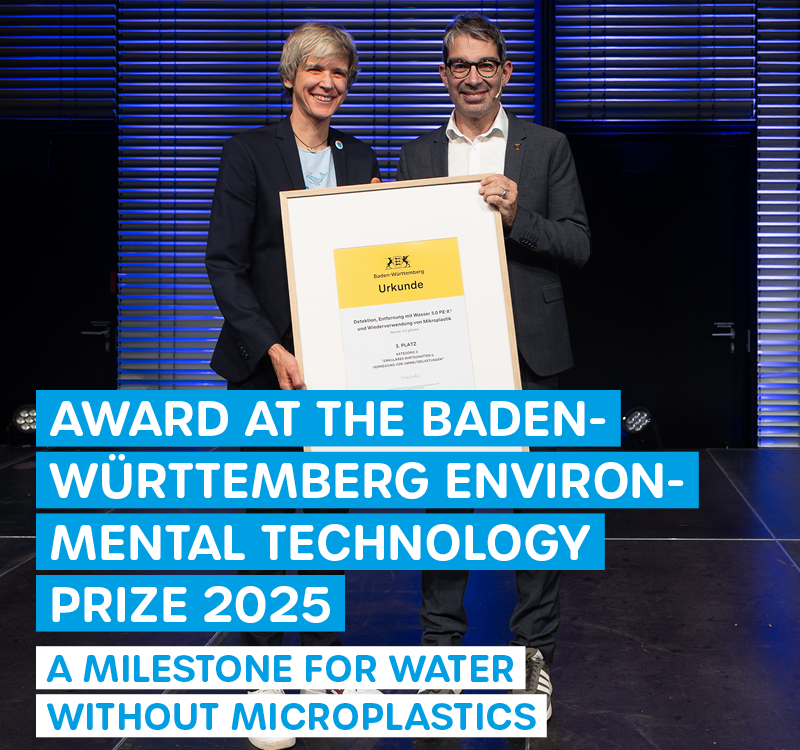
Bronze at the Baden-Württemberg Environmental Technology Award 2025! Our filter-free Clump & Skim technology convinced the jury with a >95% removal rate and 75% cost savings. From detection to removal to reuse – a milestone!
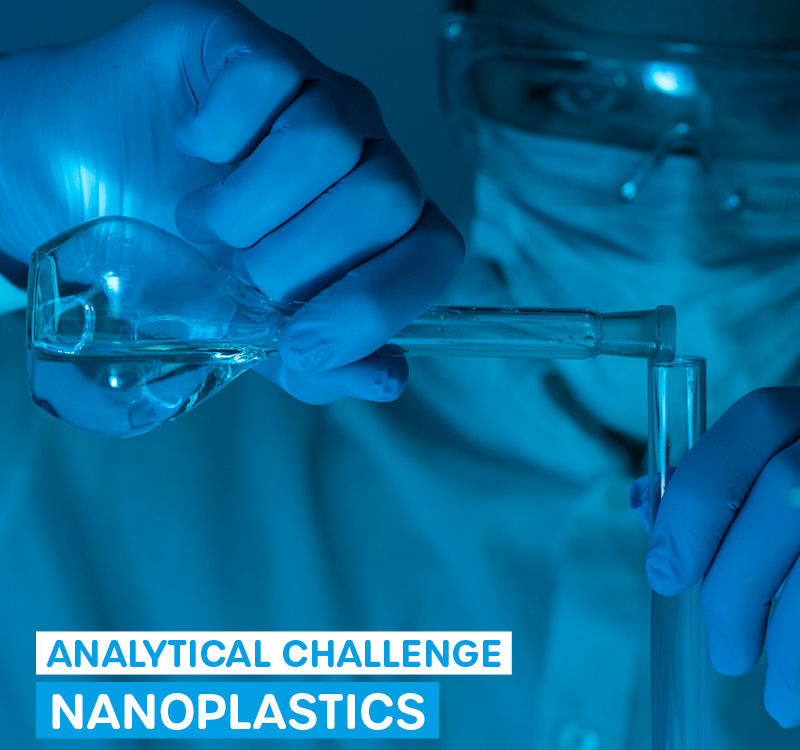
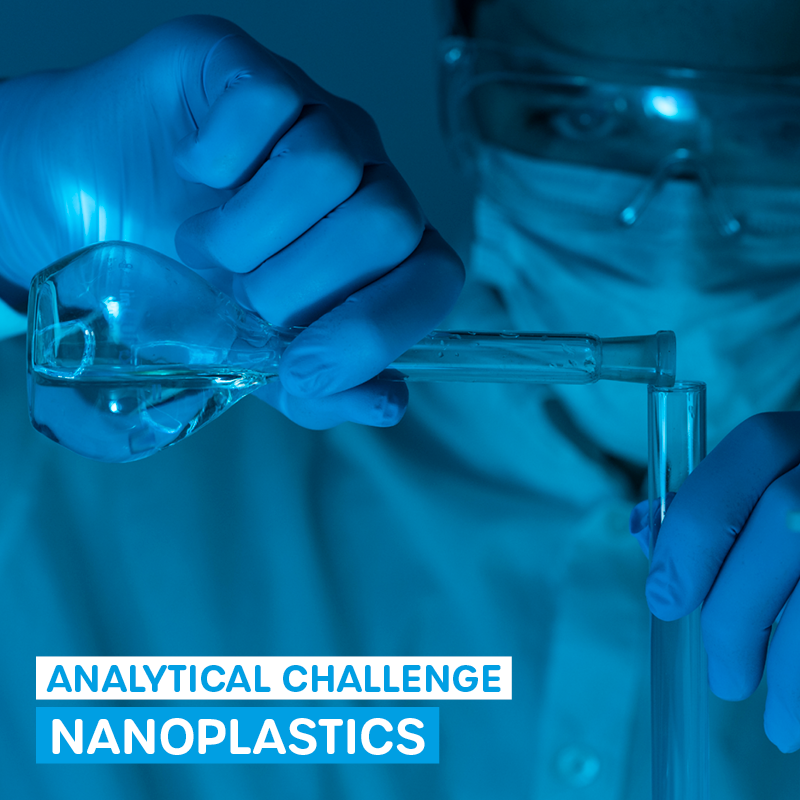
Nanoplastics are 1000x smaller than microplastics and far more dangerous. Why spectroscopic methods fail and how Wasser 3.0 detect has revolutionized microplastic detection with fluorescence technology using the MP-1 standard. We analyze and classify: The future of analytics.
Teaser Text
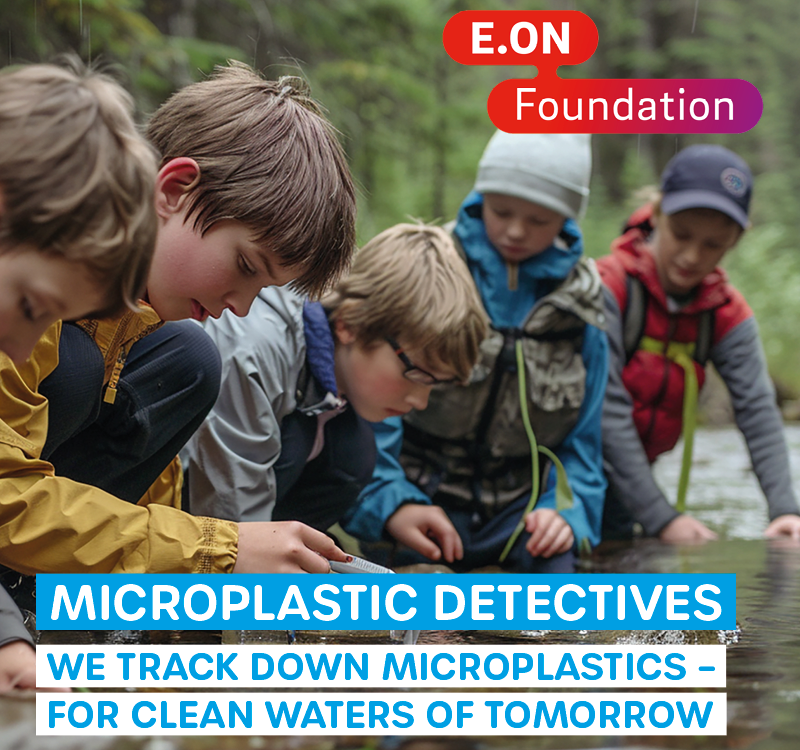
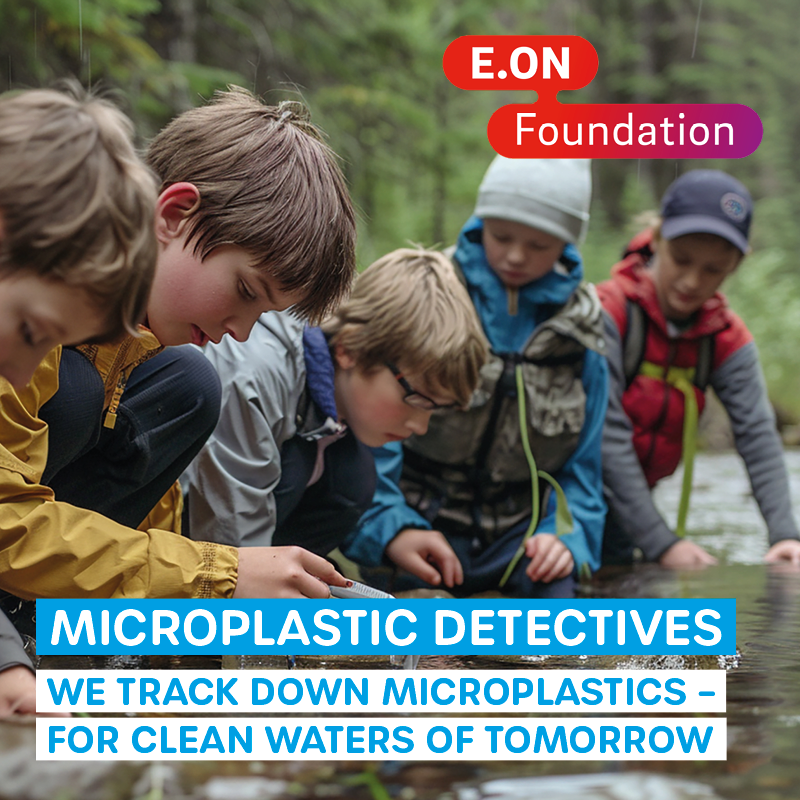
120 students are investigating microplastics in Mannheim’s waters using innovative fluorescence marker technology. The Citizen Science project MICROPLASTIC DETECTIVES combines education, climate protection, and real science — for water without microplastics.
New research shows: Microplastics in medical devices harm patient health. Dialysis patients show increased exposure. Studies demonstrate connection with cardiovascular events.
Microplastic pollution already costs industries between USD 3,300 and USD 33,000 per ton annually. Our Zero Liquid Discharge solutions transform these compliance costs into profitable investments: 98% water savings, over 95% elimination rates, 60% cost reduction.
More durable plastics are considered more environmentally friendly - a fatal error! New studies show: HDPE persists for 1,200 years, PET releases hormones. Why longer durability exacerbates the microplastic problem and only radical reduction helps.