29. April 2023

New data on microplastic removal from wastewater

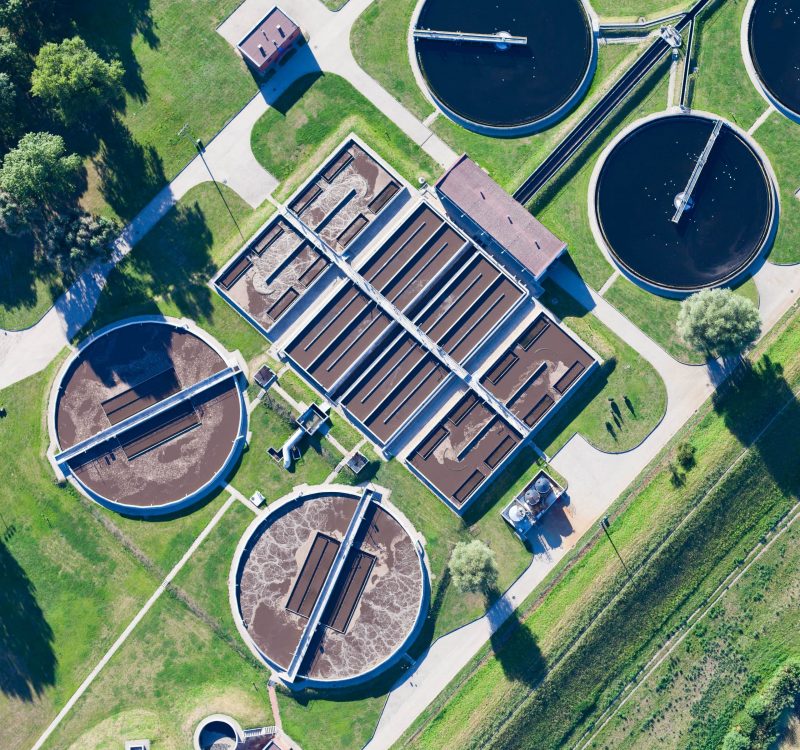
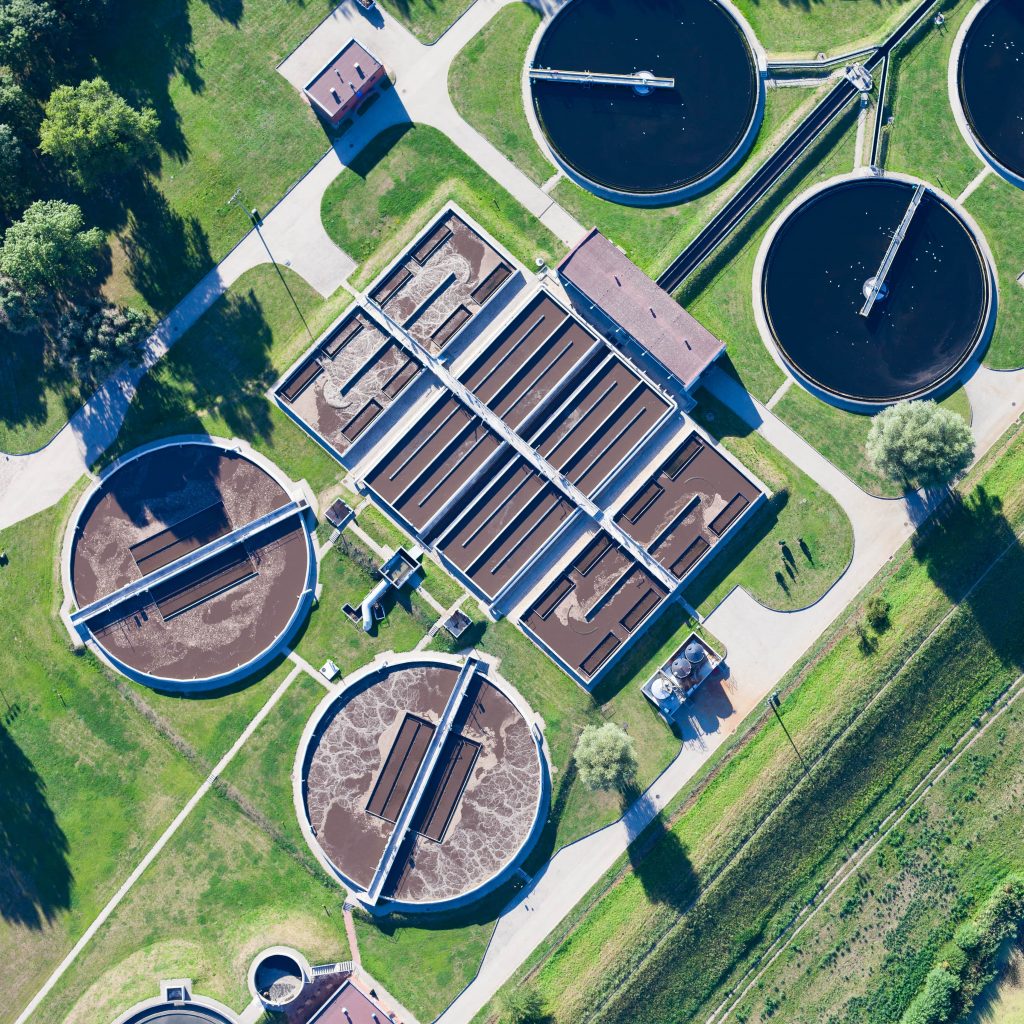
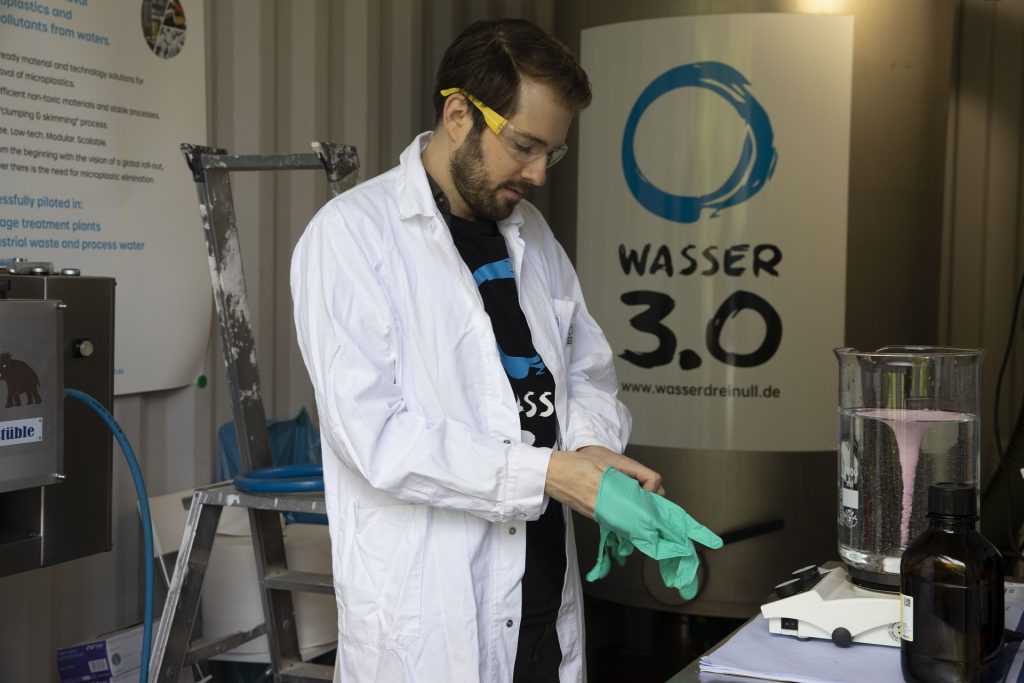
Wastewater treatment plants are important point sources of microplastics and micropollutants into the environment. Many wastewater treatment plants will be required to upgrade their facilities with an advanced treatment step to remove micropollutants, but these processes do not target microplastic removal. We therefore investigated the ability of two advanced treatment methods and our novel Wasser 3.0 PE-X® process to remove microplastics at the wastewater treatment plant in Landau, Germany. Read more about the key finding of our study, which was recently published open access in MDPI Water.
5. April 2023

Microplastics and Tire Wear

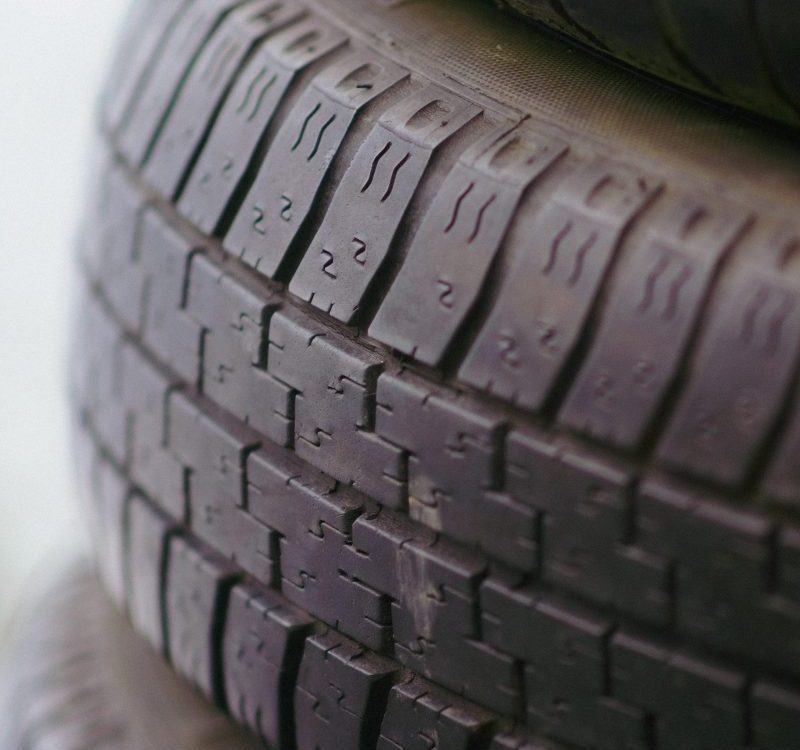
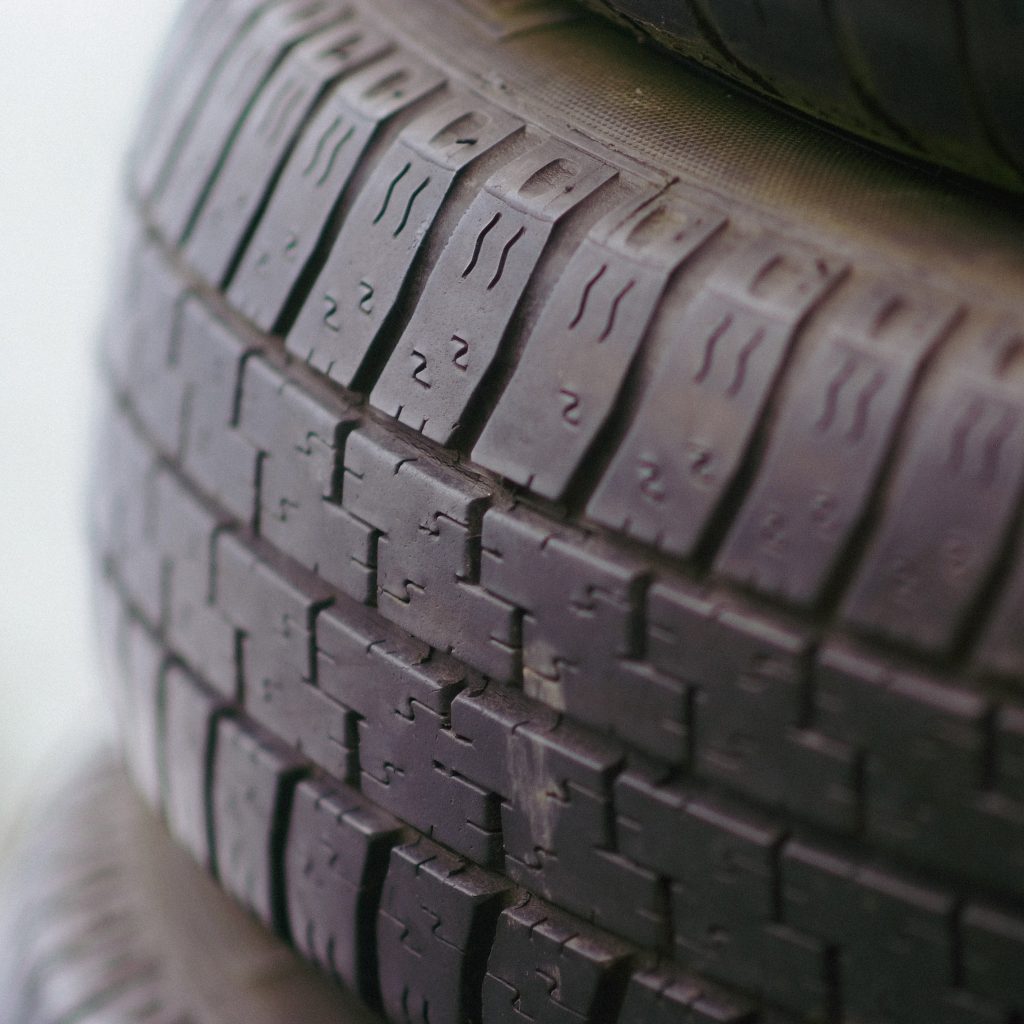
Tire wear particles are communicated as one of the main sources of direct microplastic (Microplastics Type B) entry into the environment. But is this the truth? Fact is: Currently, no standardized analytical method for tire wear particles exists; only rough estimations can be made. The real extent is unknown. This blog discusses the issue of tire wear particles as a major microplastic source and the status quo regarding detection and regulations.
17. February 2023

News about Micropastics Detection

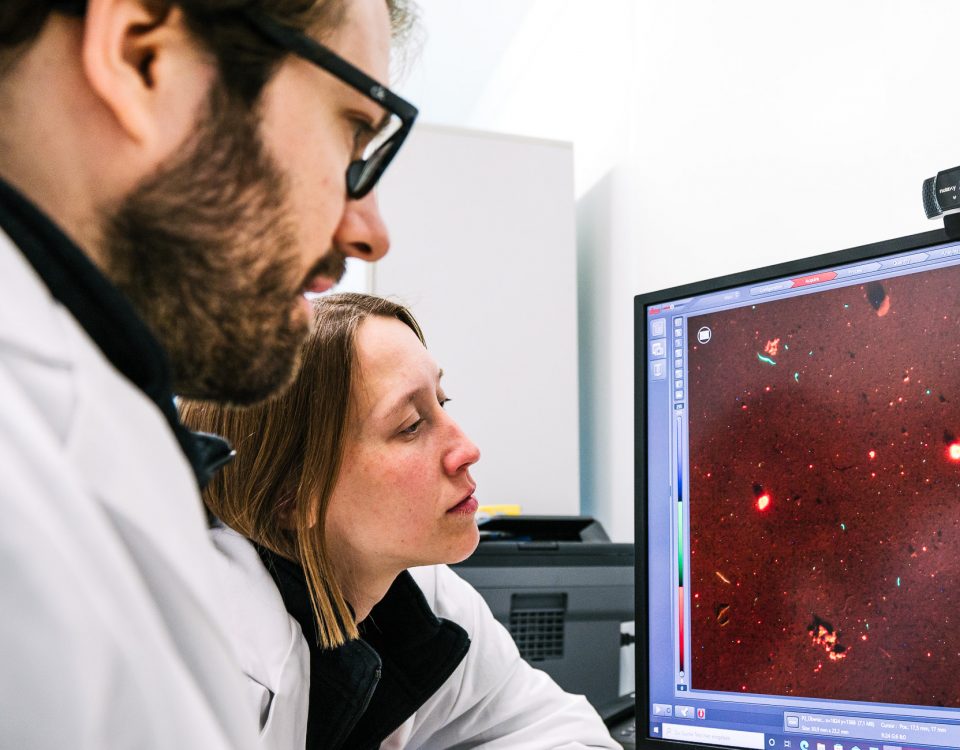
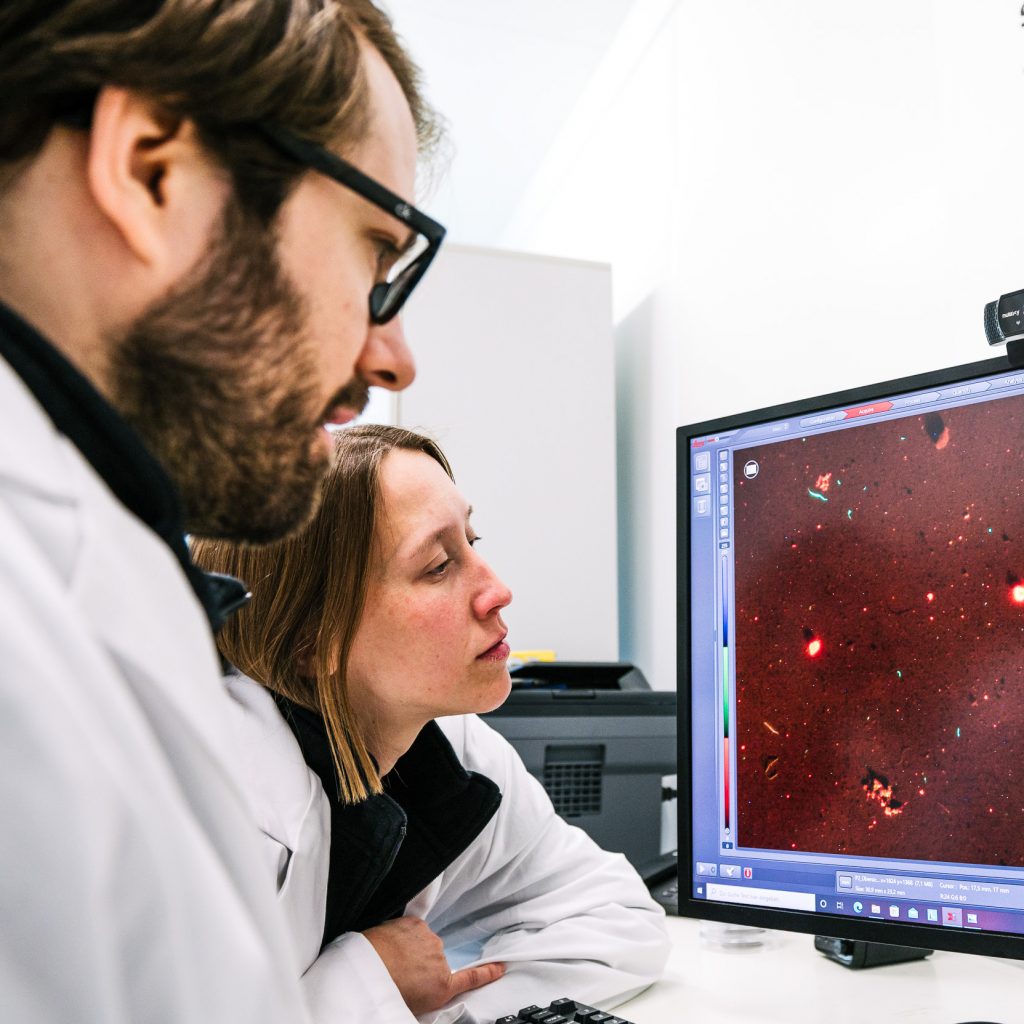
The detection of microplastics is of crucial importance when it comes to assessing the risk potential and the entry routes of microplastics into the environment. A standardized detection method is therefore essential to collect comparable and reliable data on microplastic pollution and to identify hotspots. This blog gives an overview of our current study and the most important results.
28. October 2022

The challenge of microplastic regulation

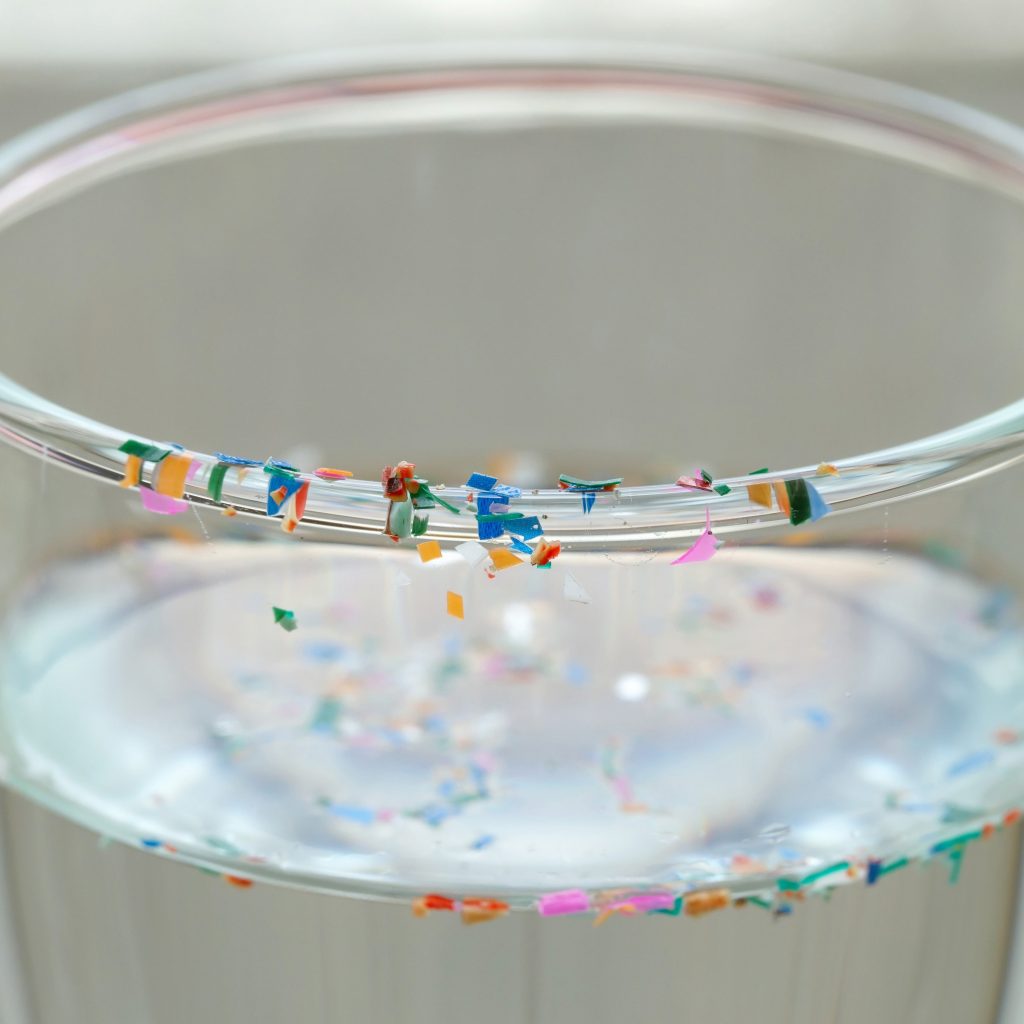
Progress has been made in many countries to restrict the use of microplastics. However, there is still no single comprehensive European law that restricts the intentional use of microplastics in products or regulates the unintentional release due to microplastics in wastewater and subsequent discharge into the environment. But effective legislation on microplastics is critical to reducing environmental impact. What is the current status?
17. October 2022

(Micro-)plastics: Status of regulation and laws

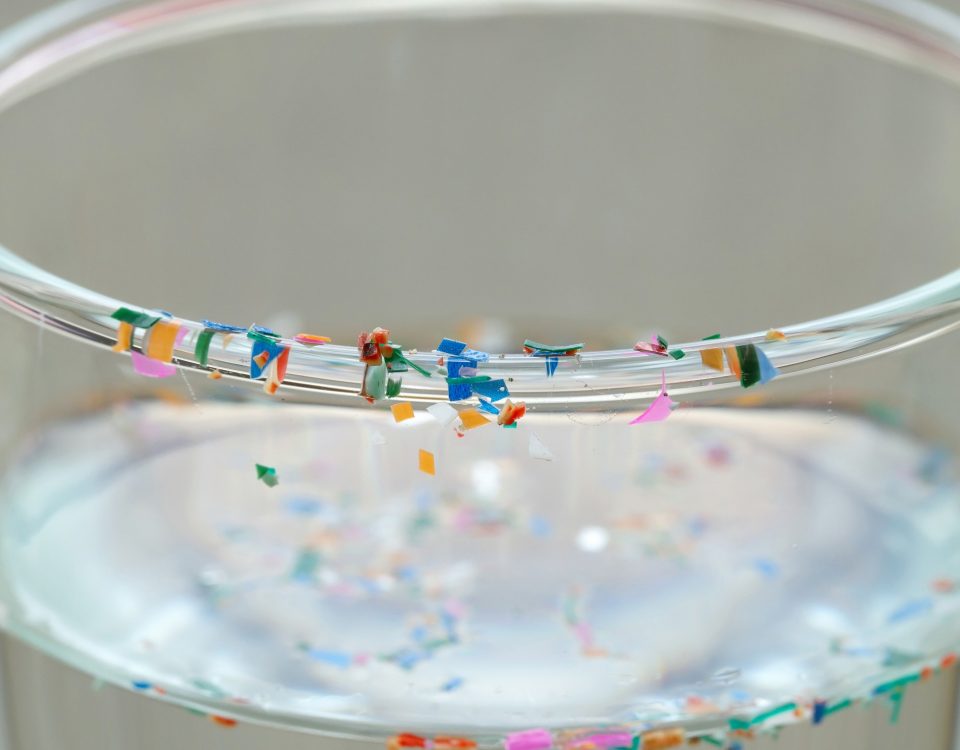
Plastic production continues to increase and microplastics have been detected nearly everywhere on earth – from arctic snow to human blood – yet there is still no single comprehensive law that regulates microplastic input into the environment. The development of regulations is a slow and ongoing process; this article provides information on the current laws surrounding plastics and microplastics, alongside the associated challenges and chances.
10. December 2021

And the Next Economy Award goes to…

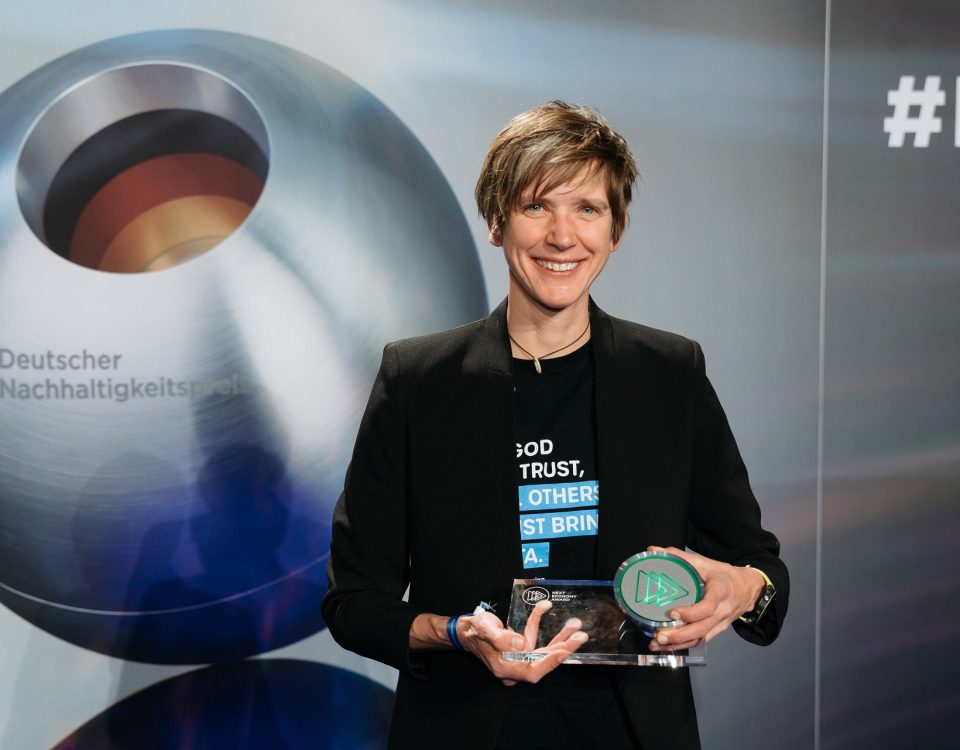
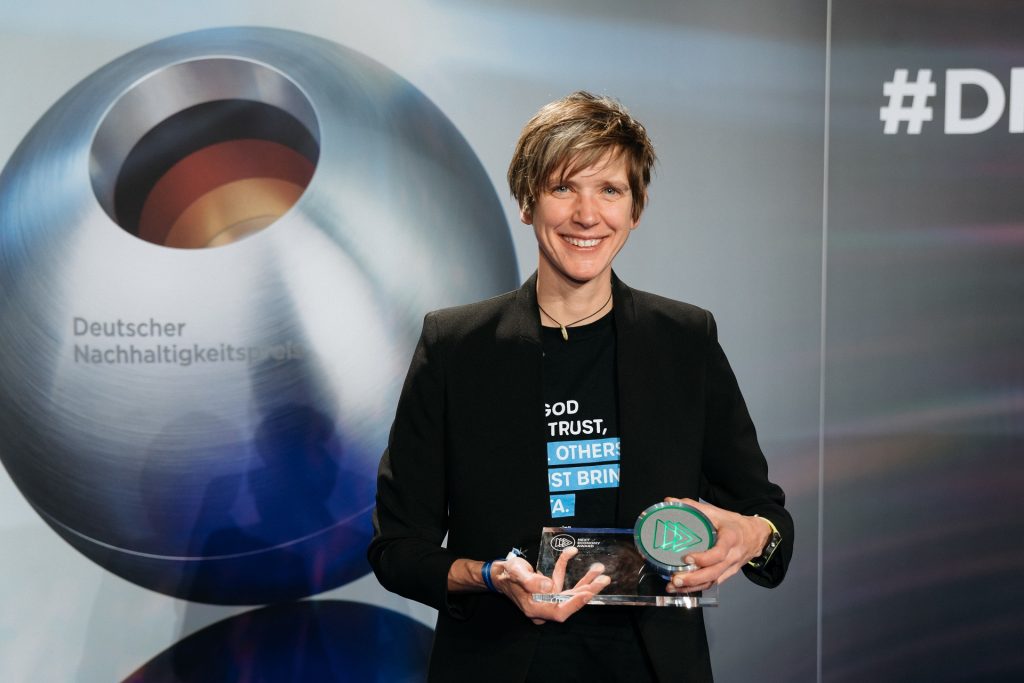
A great honor and award for the team of Wasser 3.0 at the end of the year. At this year's presentation of the German Sustainability Award (Deutscher Nachhaltigkeitspreis) in Duesseldorf, we received one of the very coveted Next Economy Awards in the category resource and environmental protection.
12. November 2021

Aquatech Innovation Award & a pitch in a boxing ring

The Aquatech Innovation Awards recognize world-class innovations and technologies that have the potential to advance the global water market. We are the winner in the Green Chemicals for Water category! What followed just a short time later in The Hague was an experience of a special kind. Katrin Schuhen found herself in the final of the Get in the Ring - Impact startup competition - in a boxing ring.
10. November 2021

REC-MP started

Thanks to the generous support of the Vector Foundation, we were able to start our new research project to develop a rapid test for microplastic detection in water bodies at the beginning of November. Simpler, faster and cheaper is again our motto. Because our application-oriented research has only one goal: impact.
29. September 2021

Microplastics, Green Deal and regulations

On October 5, Katrin Schuhen is live at the event R(H)EINE LIEBE: WIE BEKÄMPFEN WIR (MIKRO)PLASTIK IN DER EU? She will provide insights into our work and, as a PhD polymer chemist and microplastics expert, will be available for questions and discussion. We are particularly excited about the political aspects in this exchange, we have only recently dealt intensively with laws and regulations on microplastics. We summarized our findings in an article published last week. More...